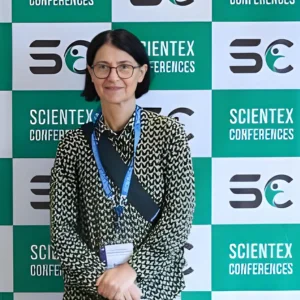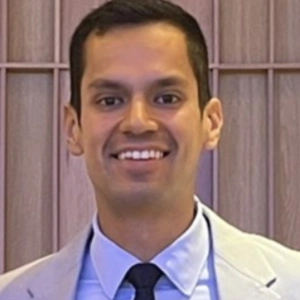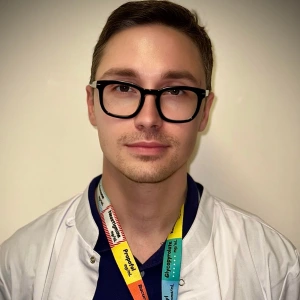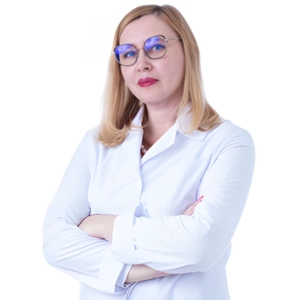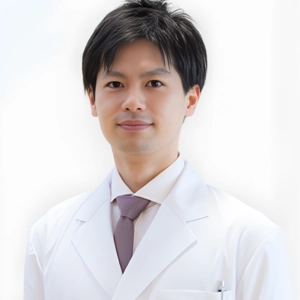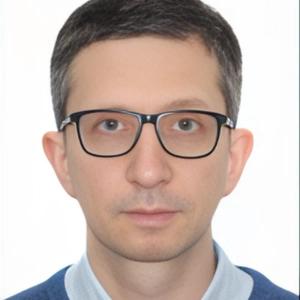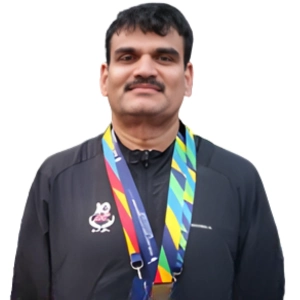
Robert Kupsho, MedStar Heart & Vascular Institute, USA

Robert Kupsho

MedStar Heart & Vascular Institute, USA

Presentation Title:

Physical Rehabilitation from Temporary to Durable Biventricular Support: A Case Report

Abstract

Introduction: Cardiogenic shock with biventricular failure has no durable mechanical circulatory support (MCS) options. The Heartmate III left ventricular assist device (LVAD) can support the right ventricle. In difficult cases, a durable biventricular (BiVAD) configuration is utilized. With LVAD rehabilitation literature flourishing, there is little evidence regarding rehabilitation progression after durable, BiVAD implant. This report aims to describe the progression of physical therapy interventions for a patient with temporary to durable BiVAD implant.

Case Presentation: Patient is a 33-year-old female with chemotherapy induced cardiomyopathy placed on temporary MCS support for cardiogenic shock. Eventually, the patient received a durable, BiVAD implant. This case describes the evidence-based interventions for a physical therapy plan of care.

Conclusion: A rehabilitation plan of care proved feasible and effective, with the patient completing 22 sessions for approximately 38 minutes per session. With an emphasis on interdisciplinary collaboration and supplemental nursing led mobility, no adverse events occurred. By extrapolating MCS literature, physical therapy interventions improved identified impairments in preparation for and after BiVAD implant to facilitate discharge home. Further research is required to determine optimal exercise prescription parameters and mobility screening guidelines for BiVAD patients in larger studies. 

Biography

Robert Kupsho graduated with a Doctor of Physical Therapy degree in 2020 followed by completion of The Johns Hopkins Acute Care Residency Program in 2021. After accepting a position with MedStar, he advanced to a resource therapist specializing in the cardiovascular ICU and mechanical circulatory support patient population. Recently, he transitioned into an administrative role as a clinical data specialist for the cardiac and thoracic surgery programs within the MedStar Heart & Vascular Institute. He continues to participate in research, provide clinical patient care, and serves as a mentor in the MedStar Neurologic Residency Program with George Washington University.