

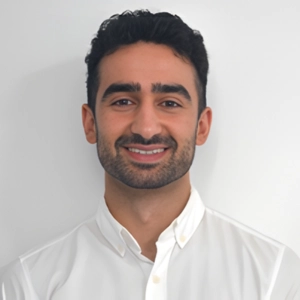
Adi Ahmed Ali
Scarborough General Hospital, UKPresentation Title:
Cardiac Compromise Secondary to Giant Hiatus Hernia with Gastric Volvulus: A Rare Case of Functional Tamponade
Abstract
Functional cardiac tamponade caused by extra-pericardial compression is a rare and life-threatening entity. We present a case of a giant hiatus hernia complicated by gastric volvulus, exerting significant pressure on the left atrium and mimicking tamponade physiology.
Case Presentation: An 88-year-old male with a known large hiatus hernia presented with sudden, severe epigastric and retrosternal pain radiating to the back, associated with vomiting, diaphoresis, and dyspnoea. Examination revealed a pale, frail patient with generalized abdominal tenderness but no hemodynamic collapse (NEWS2 score: 5). The ECG showed first-degree AV block but no ischemic changes, and Troponin levels were non-dynamic (14 ng/L).
Investigations & Management: A CT Aortogram ruled out dissection but revealed a massive intrathoracic hiatus hernia containing the stomach and transverse colon with axial rotation (gastric volvulus). The hernia caused severe compression of the left atrium and posterior pericardial surface, consistent with extrinsic tamponade. Given the patient's frailty and anatomical distortion, urgent OGD (Oesophagogastroduodenoscopy) was performed under general anaesthesia. Aspiration of ~1.1 litres of gastric contents resulted in immediate decompression and clinical recovery.
Conclusion: This case highlights that giant hiatus hernias can precipitate acute cardiovascular compromise indistinguishable from acute coronary syndrome or aortic dissection. Rapid recognition via cross-sectional imaging and prompt endoscopic decompression can be life-saving and may prevent the need for high-risk surgical intervention in elderly cohorts.
Biography
Adi Ahmed is an Emergency Medicine Doctor currently practicing at Scarborough General Hospital, UK. He obtained his medical degree from Norwich Medical School. Additionally, he holds a Master’s degree in Clinical Medicine from the University of Cambridge and a Biomedical Science degree from the University of Sheffield. Dr. Ahmed has a keen interest in Cardiology, acute critical care management and medical education. Furthermore, he is enthusiastic about the application of Artificial Intelligence in modern medicine. He is actively involved in clinical case reporting and quality improvement projects within the emergency department, with a focus on the intersection between acute medical presentations and cardiovascular pathology.

Organization Location
1309 Coffeen Avenue, STE 1200, Sheridan, Wyoming 82801, USA
Mail us at
Program Enquiry - Kristina Pierce
kristinapierce@scientexconferences.com
General Enquiry
contact@scientexconferences.com
Registration Enquiry
finance@scientexconferences.com
cardiacsurgery@scientexevents.org
Our Social Presence
Call us at
USA : (+1) 272 374 1068