

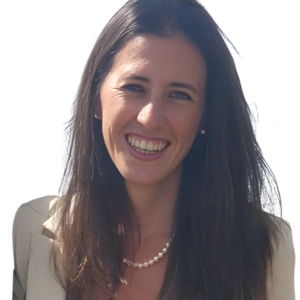
Mayra Veronese
University of Padua, ItalyPresentation Title:
Navigating Interconnected Caregiving Challenges: A Multidimensional Study of Stroke Survivors’ Caregivers
Abstract
Background: The transition from hospital to home after stroke represents a vulnerable period not only for stroke survivors but also for their informal caregivers, who frequently assume complex responsibilities without formal training. This shift in care context often results in heightened emotional distress and practical burden. A deeper understanding of caregivers’ experiences during this phase is essential to inform tailored supportive interventions.
Aim: To explore the multidimensional experience of caregivers of stroke survivors during the hospital-to-home transition using Automatic Analysis of Textual Data (AATD) to identify latent semantic structures and interrelated dimensions within narrative accounts.
Methods: A qualitative study was conducted with 18 informal caregivers recruited during the discharge phase. Semi-structured interviews were performed one month after discharge. Textual data were examined using AATD within an Exploratory Multidimensional Data Analysis (EMDA) framework to uncover thematic patterns, associations, and structural relationships across narratives.
Results: The analysis identified five interconnected domains: social support, practical assistance, discharge preparation, everyday caregiving challenges, and emotional strain. Practical and social resources emerged as central protective factors mitigating psychological distress. Caregivers emphasized the need for structured discharge planning, clear instructions, and ongoing professional guidance. Findings highlighted the reciprocal relationship between practical demands and emotional well-being, showing how insufficient preparation and limited support amplify caregiver burden.
Conclusions: Caregiving during the post-stroke transition is a complex and multidimensional experience shaped by the interaction between practical, emotional, and social factors. Interventions should move beyond task-oriented education and incorporate integrated support strategies that strengthen preparedness, enhance social networks, and address psychological needs to promote caregiver resilience and continuity of care.
Biography
Mayra Veronese completed her PhD in 2025 at the University of Rome Tor Vergata, focusing on nursing sciences and patient-centered care. Since 2024, she has been a research fellow at the University of Padua, where she conducts studies on healthcare delivery and nursing interventions across diverse clinical settings. Her research interests span several areas of nursing and health services research, with a particular focus on transitional care for patients who have experienced a stroke. She investigates strategies to improve continuity of care from hospital to home, caregiver support, and patient outcomes, integrating both qualitative and quantitative approaches.

Organization Location
1309 Coffeen Avenue, STE 1200, Sheridan, Wyoming 82801, USA
Mail us at
Program Enquiry - Kristina Pierce
kristinapierce@scientexconferences.com
General Enquiry
contact@scientexconferences.com
Registration Enquiry
finance@scientexconferences.com
cardiacsurgery@scientexevents.org
Our Social Presence
Call us at
USA : (+1) 272 374 1068