
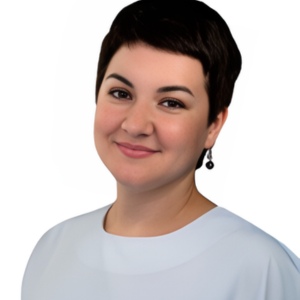
Ekaterina A Naryshkina
Moscow Multidisciplinary Research and Clinical Centre named after S.P. Botkin; Russian Medical Academy of Continuous Professional Education, Russian FederationPresentation Title:
Anticoagulant Therapy in Patients with Cardioembolic Subtype of Ischaemic Stroke and Atrial Fibrillation
Abstract
We conducted a single-centre observational study with consecutive enrolment and retrospective data analysis at the Vascular Stroke Centre of the Moscow Multidisciplinary Research and Clinical Centre named after S.P. Botkin between April 2022 and April 2023. Adults (≥18 years) admitted within 12 hours of symptom onset with confirmed cardioembolic ischaemic stroke and documented atrial fibrillation (AF) were included. Patients receiving oral anticoagulant therapy for more than one month prior to hospitalisation were analysed separately.
Among 1,038 patients hospitalised with ischaemic stroke, 215 (20.7%) had cardioembolic stroke associated with AF. More than half (n=109) were not receiving anticoagulant therapy at stroke onset. Of the 106 patients on outpatient anticoagulation, 56 received rivaroxaban, 30 apixaban, 11 dabigatran etexilate, and 9 warfarin. The mean age was 77.8 ± 9.7 years, and the median CHA₂DS₂-VASc score was 6.
In 33.9% of cases, direct oral anticoagulant (DOAC) dosing did not comply with current clinical guidelines, predominantly due to unjustified dose reduction. The median NIHSS score at admission was 7. In-hospital mortality reached 30.2% and was associated with severe neurological deficit at presentation and a high burden of comorbidities, including arterial hypertension (95.2%), chronic heart failure (60.4%), type 2 diabetes (30.1%), and prior myocardial infarction (37.7%).
A substantial proportion of cardioembolic strokes occurred either in the absence of anticoagulation or during ongoing therapy with suboptimal dosing. These findings highlight the importance of systematic adherence assessment, verification of dose appropriateness, and individualized optimisation of anticoagulant management in high-risk patients with AF.
Biography
Ekaterina A Naryshkina, MD, is a specialist in cardiology and vascular medicine affiliated with the Moscow Multidisciplinary Research and Clinical Centre named after S.P. Botkin, the MEDSI Premium Clinic and the Russian Medical Academy of Continuous Professional Education. Her research focuses on atrial fibrillation, optimisation of anticoagulant therapy, cardioembolic stroke, and cardiovascular risk stratification. She has authored peer-reviewed publications addressing real-world anticoagulation practice and outcomes in high-risk cardiovascular populations and actively participates in multidisciplinary research projects aimed at improving stroke prevention strategies.

Organization Location
1309 Coffeen Avenue, STE 1200, Sheridan, Wyoming 82801, USA
General Enquiry
contact@scientexconferences.com
Finance Enquiry
finance@scientexconferences.com
Call us at
USA : (+1) 272 374 1068