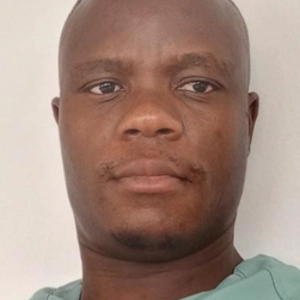

Haruhito Yuki
New Tokyo Hospital, JapanPresentation Title:
Pathological Assessment of a 10-Year-Old Sapien XT Valve in a Dialysis-Dependent Patient Presenting With Accelerated Structural Valve Degeneration
Abstract
Background: Long-term pathological assessment of transcatheter aortic valve implantation (TAVI) prostheses remains limited, particularly in patients undergoing hemodialysis. To date, no reports have described the autopsy-based pathological findings of a Sapien XT 26-mm valve retrieved 10 years after implantation in a dialysis-dependent patient. Such data are critical for understanding the mechanisms of structural valve degeneration (SVD) in this high-risk population.
Case Report: An 87-year-old woman with a medical history of hypertension, type 2 diabetes mellitus, persistent atrial fibrillation, prior ischemic stroke, and coronary artery disease underwent PCI in the right coronary artery (RCA) and left circumflex artery (LCx) 10 years earlier. She subsequently developed severe aortic stenosis and underwent transfemoral TAVI with a 26-mm Sapien XT valve. Two years before the current presentation, she initiated hemodialysis for chronic kidney disease, and one year prior, she underwent PTA for lower-extremity peripheral artery disease. She presented with acute chest pain and was diagnosed with non–ST-elevation myocardial infarction. Coronary angiography revealed 99% RCA stenosis and 90% LCx stenosis. Because of cardiogenic shock, IABP support was initiated, followed by successful PCI. Post-procedural echocardiography demonstrated a new high-echoic region on the LVOT side and AR directed toward the interventricular septum, suggesting leaflet prolapse due to calcified degeneration. These findings had not been present in early 2024, raising suspicion of accelerated SVD. Although her condition initially improved with rehabilitation, she suddenly deteriorated on day 8, requiring VA-ECMO. Repeat coronary angiography showed complete RCA occlusion. Despite maximal support, she died of cardiogenic shock. Autopsy revealed acute to subacute bioprosthetic failure characterized by leaflet thickening, heavy calcification, and fibrocalcific remodeling consistent with SVD.
Conclusions: This report presents the first known pathological evaluation of a Sapien XT valve 10 years post-TAVI in a dialysis patient, providing valuable insights into accelerated SVD mechanisms in this population.
Biography
Haruhito Yuki, MD, is an interventional cardiologist at the Interventional Cardiology Unit of New Tokyo Hospital in Chiba, Japan. He earned his medical degree from Shimane University in 2015 and completed his residency and fellowship in cardiovascular medicine in Japan. From 2022 to 2023, he served as a research fellow in the Cardiology Division at Massachusetts General Hospital, Harvard Medical School, focusing on coronary plaque vulnerability, advanced cardiovascular imaging, and translational research. He has authored multiple peer-reviewed publications across leading journals and is currently involved in both coronary and structural heart interventions, including PCI and TAVI.