
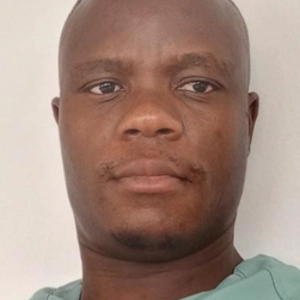
Manirakoze Eric
Hassan II University Hospital in Fez, MoroccoPresentation Title:
Pericardial decompression syndrome: A rare fatal complication of cardiac tamponade drainage
Abstract
Cardiac decompression through drainage of a pericardial effusion, is a life-saving procedure. Nevertheless, pericardial decompression syndrome (PDS) is a complication that can occur and is sometimes fatal. SDP occurs in approximately 5% of cases of tamponade drainage, with a mortality rate of up to 29% in severe cases We report a case of the patient, 35-year-old patient which had a history of recurrent pericardial effusions and underwent three drainage procedures followed by a poorly differentiated carcinoma. The patient presented to the emergency department with dyspnea of the orthopneic type, NYHA Class IV, and hemodynamic instability, Echocardiography revealed a large, circumferential pericardial effusion, measuring 28.8 mm adjacent to the posterior wall of the left ventricle figure 1. There was a pericardial effusion measuring 20.1 mm adjacent to the right ventricle figure 2, associated with signs of RV compression. The right chambers were not dilated, the decision was made to admit the patient to the operating room for surgical drainage, which was performed under general anesthesia allowing for the drainage of 1,000 mL of fluid and proceeded without incident, with an observed improvement in hemodynamics. One hour after, the patient developed signs of cardiogenic shock. An ultrasound performed at the patient’s bedside revealed dilated right chambers without compressive pericardial effusion figure 3. A diagnosis of pericardial decompression syndrome was made. Inotropic support was initiated using norepinephrine and dobutamine, but there was no clinical improvement; the patient subsequently progressed to irreversible cardiorespiratory arrest. SDP is likely underdiagnosed, as its manifestations can be mistaken for a recidive of tamponade. The rapid initiation of circulatory support using vasopressors and mechanical circulatory assistance are the treatment of choice. To prevent SDP, it is recommended not to drain more than one liter and to avoid the sudden removal of pericardial fluid.
Biography
Eric Manirakoze is a clinician and researcher in the fields of emergency medicine, anesthesia and critical care. He began his career working on humanitarian missions, including with doctors without borders (MSF), and later worked at various universities hospitals, including the Hassan II university Hospital at Sidi Mohammed Ben Abdellah University in Fez and the Kamenge University Hospital at the University of Burundi. He is best known for his work in the field of emergency medicine and critical care, particularly in cardiothoracic. He is the author and co-author of several scientific publications, the most recent and notable of which is a case report illustrating pericardial decompression syndrome: a serious complication of drainage for cardiac tamponade.

Organization Location
1309 Coffeen Avenue, STE 1200, Sheridan, Wyoming 82801, USA
General Enquiry
contact@scientexconferences.com
Finance Enquiry
finance@scientexconferences.com
Call us at
USA : (+1) 272 374 1068