Latest Articles
Cardiology Conference
Latest
Leading Cardiovascular Experts from Global Institutions Participate in Heart Congress

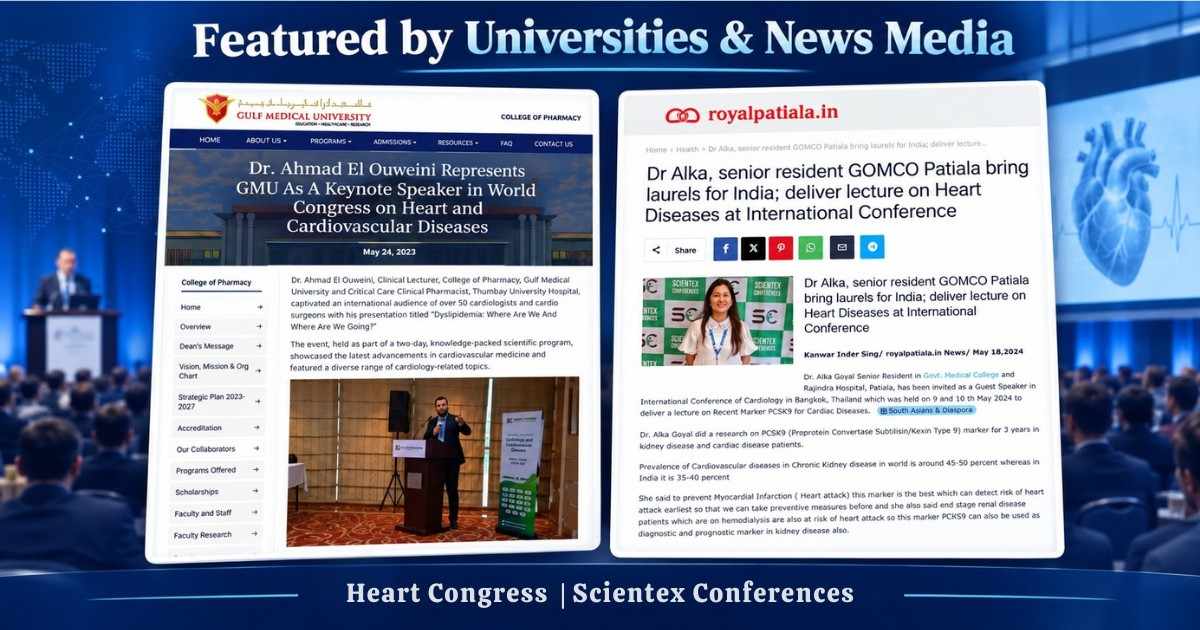
Category: Conference News & Updates | Reading Time: 4 mins readThe Heart Congress series continues to serve as an international platform for cardiologists, researchers, clinicians, and healthcare professionals dedicated to advancing cardiovascular science and patient care. Over the years, the conference has welcomed distinguished speakers from universities, teaching hospitals, research institutes, and healthcare organizations across the globe.A notable indicator of the conference's scientific value is the recognition received by participating speakers from their own academic and medical institutions. Several keynote speakers and invited faculty members who contributed to the scientific program have subsequently been featured in university news portals, institutional publications, and healthcare media outlets, highlighting their participation and contributions to the conference.Academic Recognition Beyond the ConferenceScientific conferences play an important role in facilitating knowledge exchange, but their impact extends further when participating experts are acknowledged by their institutions for representing their research and clinical expertise on an international stage.Dr. Ahmad El Ouweini Represents Gulf Medical University on an International StageAmong the distinguished keynote speakers was Dr. Ahmad El Ouweini from Gulf Medical University and Thumbay University Hospital, United Arab Emirates. His participation was subsequently highlighted by Gulf Medical University, recognizing his contribution as a keynote speaker at the World Congress on Heart and Cardiovascular Diseases.During his keynote presentation, Dr. El Ouweini discussed the historical development, current pharmacotherapeutic approaches, and future innovations in dyslipidemia management, a critical area in cardiovascular disease prevention and treatment.Reflecting on his experience, Dr. Ahmad El Ouweini stated:"It is always great to represent the College of Pharmacy – Gulf Medical University on international platforms for knowledge transfer and global impact."His presentation brought together insights from pharmaceutical sciences and cardiovascular medicine while contributing to discussions among international experts attending the congress.Dr. Alka Goyal Showcases Innovative Research from IndiaHeart Congress also welcomed Dr. Alka Goyal from Government Medical College and Rajindra Hospital, Patiala, India, whose participation was recognized through institutional and media coverage following the event.Although representing the Department of Biochemistry, Dr. Goyal was invited to present her research on PCSK9, an emerging prognostic biomarker associated with cardiovascular diseases. Her work explored the relevance of PCSK9 in patients with chronic kidney disease, offering valuable perspectives on cardiovascular risk assessment.Sharing her experience, Dr. Goyal noted:"I found the sessions very informative, the speakers were excellent, and the scientific discussions were highly valuable."Her participation demonstrates how modern cardiovascular research increasingly benefits from interdisciplinary collaboration involving cardiology, biochemistry, nephrology, and translational medicine.Advancing Cardiovascular Research Through Global CollaborationThe involvement of experts such as Dr. Ahmad El Ouweini and Dr. Alka Goyal reflects the international and multidisciplinary nature of contemporary cardiovascular science. Scientific meetings provide opportunities for researchers and clinicians to exchange knowledge, discuss emerging evidence, and build collaborations that extend beyond geographical boundaries.Heart Congress continues to welcome participants from universities, hospitals, healthcare institutions, and research organizations worldwide, creating a platform where innovative ideas and clinical expertise can contribute to the advancement of cardiovascular care.Looking AheadAs cardiovascular diseases continue to represent one of the most significant global health challenges, international scientific collaboration remains essential. Conferences such as Heart Congress provide an environment where clinicians, researchers, educators, and healthcare professionals can exchange ideas, discuss emerging evidence, and explore innovative approaches to improving cardiovascular care.Heart Congress is proud to welcome speakers and participants from academic and clinical institutions worldwide and remains committed to fostering meaningful scientific dialogue that supports the advancement of cardiovascular medicine and patient outcomes.ReferencesGulf Medical University, UAE – Recognition of Dr. Ahmad El Ouweini's keynote participation in the World Congress on Heart and Cardiovascular Diseases.Government Medical College & Rajindra Hospital, Patiala, India – Recognition of Dr. Alka's invited lecture on heart diseases at an international cardiovascular conference.

Jul 13, 2026 Read More
Heart Conference
Latest
How Early-Career Cardiologists Can Build an Academic Network

Category: Career Development & Academic Networking | Reading Time: 4-5 minutesAcademic networking is not about collecting business cards. It's about building relationships that can influence your research, career opportunities, collaborations, and professional growth for years to come.For many early-career cardiologists, the challenge is not a lack of knowledge or skills-it is visibility. You may be conducting excellent research or delivering outstanding patient care, but if the wider cardiovascular community does not know your work, opportunities can be limited.The good news is that building an academic network is easier today than ever before.Why Academic Networking Matters in CardiologyA strong professional network can help you:✔ Find research collaborators✔ Access mentorship opportunities✔ Join multicenter studies✔ Improve publication opportunities✔ Learn about grants and fellowships✔ Gain invitations for speaking engagements✔ Stay informed about emerging cardiovascular researchMany successful cardiologists can trace important career milestones back to a single conference conversation, mentorship relationship, or collaborative project.Start Before You Need a NetworkOne common mistake among young researchers is waiting until they need a recommendation letter, research partner, or job opportunity before building professional relationships.Instead:Connect with peers during residency and fellowship.Engage with faculty members beyond your institution.Participate in professional societies.Follow cardiovascular researchers whose work interests you.Academic networking works best when relationships develop naturally over time.Use Conferences as Networking AcceleratorsInternational cardiology conferences remain one of the most effective places to meet experts from different institutions and countries.Rather than attending only scientific sessions:Before the ConferenceReview the speaker list.Identify researchers working in your area of interest.Read their recent publications.Prepare thoughtful questions.During the ConferenceAttend poster sessions.Participate in Q&A discussions.Introduce yourself after presentations.Join networking receptions and workshopsAfter the ConferenceConnect on LinkedIn.Send a short follow-up email.Share relevant research updates when appropriate.The goal is not to meet hundreds of people. Building a few meaningful professional connections often creates greater long-term value.Make Your Research VisibleNetworking becomes easier when people can easily discover your work.Consider maintaining:An updated LinkedIn profileAn ORCID researcher profileA Google Scholar profileResearchGate presenceInstitutional faculty pageWhenever you publish an article, present an abstract, or participate in a scientific meeting, ensure your professional profiles reflect those achievements.Visibility creates opportunities for collaboration.Find Mentors at Different Career StagesMany early-career cardiologists look for one perfect mentor. In reality, successful professionals often benefit from multiple mentors.For example:Research Mentor - Study design, publications, grantsClinical Mentor - Patient care and subspecialty expertiseCareer Mentor - Promotions and career planningInternational Mentor - Global collaborations and networkingA diverse mentoring network provides broader perspectives and support.Engage with the Global Cardiology CommunityThe cardiovascular field is increasingly international.Researchers in Europe, North America, Asia, the Middle East, and Latin America frequently collaborate on studies, registries, and clinical trials.To expand your global network:Join international cardiology societies.Attend hybrid or virtual conferences.Participate in webinars and scientific workshops.Contribute to collaborative research projects.Engage in online discussions about new cardiovascular evidence.These activities help establish your professional presence beyond your local institution.Common Networking Mistakes to AvoidMany promising cardiologists unintentionally limit networking opportunities by:❌ Contacting senior researchers only when they need something❌ Focusing exclusively on senior experts while ignoring peers❌ Failing to follow up after conferences❌ Treating networking as self-promotion rather than relationship building❌ Remaining inactive on professional platformsThe strongest academic networks are built on mutual respect, shared interests, and consistent engagement.Key TakeawayAcademic networking is not a separate activity from your cardiology career-it is part of it.Whether through scientific meetings, mentorship relationships, collaborative research, or professional societies, building meaningful connections can accelerate learning, improve research quality, and open doors throughout your career.For early-career cardiologists, the best time to start building an academic network is not after achieving success-it is while creating the foundation for it.

Jul 13, 2026 Read More

No articles match your search.

Cardiology Conference
Leading Cardiovascular Experts from Global Institutions Participate in Heart Congress

Category: Conference News & Updates | Reading Time: 4 mins readThe Heart Congress series continues to serve as an international platform for cardiologists, researchers, clinicians, and healthcare professionals dedicated to advancing cardiovascular science and patient care. Over the years, the conference has welcomed distinguished speakers from universities, teaching hospitals, research institutes, and healthcare organizations across the globe.A notable indicator of the conference's scientific value is the recognition received by participating speakers from their own academic and medical institutions. Several keynote speakers and invited faculty members who contributed to the scientific program have subsequently been featured in university news portals, institutional publications, and healthcare media outlets, highlighting their participation and contributions to the conference.Academic Recognition Beyond the ConferenceScientific conferences play an important role in facilitating knowledge exchange, but their impact extends further when participating experts are acknowledged by their institutions for representing their research and clinical expertise on an international stage.Dr. Ahmad El Ouweini Represents Gulf Medical University on an International StageAmong the distinguished keynote speakers was Dr. Ahmad El Ouweini from Gulf Medical University and Thumbay University Hospital, United Arab Emirates. His participation was subsequently highlighted by Gulf Medical University, recognizing his contribution as a keynote speaker at the World Congress on Heart and Cardiovascular Diseases.During his keynote presentation, Dr. El Ouweini discussed the historical development, current pharmacotherapeutic approaches, and future innovations in dyslipidemia management, a critical area in cardiovascular disease prevention and treatment.Reflecting on his experience, Dr. Ahmad El Ouweini stated:"It is always great to represent the College of Pharmacy – Gulf Medical University on international platforms for knowledge transfer and global impact."His presentation brought together insights from pharmaceutical sciences and cardiovascular medicine while contributing to discussions among international experts attending the congress.Dr. Alka Goyal Showcases Innovative Research from IndiaHeart Congress also welcomed Dr. Alka Goyal from Government Medical College and Rajindra Hospital, Patiala, India, whose participation was recognized through institutional and media coverage following the event.Although representing the Department of Biochemistry, Dr. Goyal was invited to present her research on PCSK9, an emerging prognostic biomarker associated with cardiovascular diseases. Her work explored the relevance of PCSK9 in patients with chronic kidney disease, offering valuable perspectives on cardiovascular risk assessment.Sharing her experience, Dr. Goyal noted:"I found the sessions very informative, the speakers were excellent, and the scientific discussions were highly valuable."Her participation demonstrates how modern cardiovascular research increasingly benefits from interdisciplinary collaboration involving cardiology, biochemistry, nephrology, and translational medicine.Advancing Cardiovascular Research Through Global CollaborationThe involvement of experts such as Dr. Ahmad El Ouweini and Dr. Alka Goyal reflects the international and multidisciplinary nature of contemporary cardiovascular science. Scientific meetings provide opportunities for researchers and clinicians to exchange knowledge, discuss emerging evidence, and build collaborations that extend beyond geographical boundaries.Heart Congress continues to welcome participants from universities, hospitals, healthcare institutions, and research organizations worldwide, creating a platform where innovative ideas and clinical expertise can contribute to the advancement of cardiovascular care.Looking AheadAs cardiovascular diseases continue to represent one of the most significant global health challenges, international scientific collaboration remains essential. Conferences such as Heart Congress provide an environment where clinicians, researchers, educators, and healthcare professionals can exchange ideas, discuss emerging evidence, and explore innovative approaches to improving cardiovascular care.Heart Congress is proud to welcome speakers and participants from academic and clinical institutions worldwide and remains committed to fostering meaningful scientific dialogue that supports the advancement of cardiovascular medicine and patient outcomes.ReferencesGulf Medical University, UAE – Recognition of Dr. Ahmad El Ouweini's keynote participation in the World Congress on Heart and Cardiovascular Diseases.Government Medical College & Rajindra Hospital, Patiala, India – Recognition of Dr. Alka's invited lecture on heart diseases at an international cardiovascular conference.

Jul 13, 2026 Read More
Heart Conference
How Early-Career Cardiologists Can Build an Academic Network

Category: Career Development & Academic Networking | Reading Time: 4-5 minutesAcademic networking is not about collecting business cards. It's about building relationships that can influence your research, career opportunities, collaborations, and professional growth for years to come.For many early-career cardiologists, the challenge is not a lack of knowledge or skills-it is visibility. You may be conducting excellent research or delivering outstanding patient care, but if the wider cardiovascular community does not know your work, opportunities can be limited.The good news is that building an academic network is easier today than ever before.Why Academic Networking Matters in CardiologyA strong professional network can help you:✔ Find research collaborators✔ Access mentorship opportunities✔ Join multicenter studies✔ Improve publication opportunities✔ Learn about grants and fellowships✔ Gain invitations for speaking engagements✔ Stay informed about emerging cardiovascular researchMany successful cardiologists can trace important career milestones back to a single conference conversation, mentorship relationship, or collaborative project.Start Before You Need a NetworkOne common mistake among young researchers is waiting until they need a recommendation letter, research partner, or job opportunity before building professional relationships.Instead:Connect with peers during residency and fellowship.Engage with faculty members beyond your institution.Participate in professional societies.Follow cardiovascular researchers whose work interests you.Academic networking works best when relationships develop naturally over time.Use Conferences as Networking AcceleratorsInternational cardiology conferences remain one of the most effective places to meet experts from different institutions and countries.Rather than attending only scientific sessions:Before the ConferenceReview the speaker list.Identify researchers working in your area of interest.Read their recent publications.Prepare thoughtful questions.During the ConferenceAttend poster sessions.Participate in Q&A discussions.Introduce yourself after presentations.Join networking receptions and workshopsAfter the ConferenceConnect on LinkedIn.Send a short follow-up email.Share relevant research updates when appropriate.The goal is not to meet hundreds of people. Building a few meaningful professional connections often creates greater long-term value.Make Your Research VisibleNetworking becomes easier when people can easily discover your work.Consider maintaining:An updated LinkedIn profileAn ORCID researcher profileA Google Scholar profileResearchGate presenceInstitutional faculty pageWhenever you publish an article, present an abstract, or participate in a scientific meeting, ensure your professional profiles reflect those achievements.Visibility creates opportunities for collaboration.Find Mentors at Different Career StagesMany early-career cardiologists look for one perfect mentor. In reality, successful professionals often benefit from multiple mentors.For example:Research Mentor - Study design, publications, grantsClinical Mentor - Patient care and subspecialty expertiseCareer Mentor - Promotions and career planningInternational Mentor - Global collaborations and networkingA diverse mentoring network provides broader perspectives and support.Engage with the Global Cardiology CommunityThe cardiovascular field is increasingly international.Researchers in Europe, North America, Asia, the Middle East, and Latin America frequently collaborate on studies, registries, and clinical trials.To expand your global network:Join international cardiology societies.Attend hybrid or virtual conferences.Participate in webinars and scientific workshops.Contribute to collaborative research projects.Engage in online discussions about new cardiovascular evidence.These activities help establish your professional presence beyond your local institution.Common Networking Mistakes to AvoidMany promising cardiologists unintentionally limit networking opportunities by:❌ Contacting senior researchers only when they need something❌ Focusing exclusively on senior experts while ignoring peers❌ Failing to follow up after conferences❌ Treating networking as self-promotion rather than relationship building❌ Remaining inactive on professional platformsThe strongest academic networks are built on mutual respect, shared interests, and consistent engagement.Key TakeawayAcademic networking is not a separate activity from your cardiology career-it is part of it.Whether through scientific meetings, mentorship relationships, collaborative research, or professional societies, building meaningful connections can accelerate learning, improve research quality, and open doors throughout your career.For early-career cardiologists, the best time to start building an academic network is not after achieving success-it is while creating the foundation for it.

Jul 13, 2026 Read More
Cardiology Conference
What's the Link Between Work Stress and Heart Disease?

Category: Cardiovascular Health, Preventive Cardiology | Reading Time: 4 minsQuick AnswerChronic work-related stress raises the risk of heart disease by triggering persistent spikes in cortisol and adrenaline, which over time damage blood vessels, raise blood pressure, and promote inflammation. Research consistently links high job demands, low workplace control, and long working hours to a significantly elevated risk of heart attack and stroke.IntroductionMost people accept workplace stress as a routine part of life. Deadlines, demanding managers, long hours - these have become so normalised that few stop to consider what they are quietly doing to the heart.But the science is clear. Sustained occupational stress is not just a mental health concern. It is a measurable, independent risk factor for cardiovascular disease - one that clinicians and employers alike are beginning to take far more seriously.How Does Work Stress Affect the Heart?When the body perceives stress, it activates the hypothalamic-pituitary-adrenal (HPA) axis, releasing cortisol, adrenaline, and other stress hormones. In short bursts, this is a normal and useful biological response.The problem begins when stress is chronic - as it often is in high-pressure work environments.The Physiological Chain ReactionPersistent stress hormone elevation causes:Increased heart rate and blood pressure - putting continuous strain on arterial wallsHigher blood glucose levels - contributing to insulin resistance over timeSystemic inflammation - a key driver of atherosclerosis (plaque build-up in arteries)Elevated LDL cholesterol - accelerating arterial narrowingBlood clotting changes - raising the risk of thrombotic events like heart attackThese are not minor effects. Over months and years, they add up in ways that standard risk factors such as diet and physical activity alone cannot fully account for.What Does the Research Say?The evidence connecting work stress and cardiovascular outcomes has strengthened significantly over the past two decades.Job Strain and Heart RiskA landmark meta-analysis published in The Lancet found that individuals with high job strain - defined as high demands combined with low decision-making control had a 23% higher risk of heart attack compared to those with lower job strain.Long Working HoursA joint analysis by the WHO and the International Labour Organization found that working 55 or more hours per week was associated with a 35% higher risk of stroke and a 17% higher risk of ischemic heart disease compared to working 35–40 hours per week.Effort-Reward ImbalanceAnother well-established model effort-reward imbalance describes situations where high work effort is not matched by adequate recognition, pay, or job security. People in these conditions show higher rates of hypertension, metabolic syndrome, and coronary artery disease.Who Is Most at Risk?Work stress does not affect everyone equally. Certain groups carry a disproportionately higher cardiovascular burden:Shift workers, particularly night-shift workers, whose circadian disruption compounds stress-related physiological changesWorkers in low-autonomy roles - those with little control over how or when tasks are completedIndividuals who already have traditional cardiovascular risk factors such as hypertension, obesity, or diabetesThose with poor workplace social support, where isolation amplifies the stress responseGender also plays a role. Some studies suggest that women may be more susceptible to the cardiovascular effects of emotional job demands, while men show stronger responses to effort-reward imbalance - though research in this area continues to evolve.The Behavioural DimensionWork stress rarely operates in isolation. It tends to drive behaviours that independently raise cardiovascular risk:Poor sleep - linked to hypertension, weight gain, and impaired glucose regulationPhysical inactivity - sedentary desk-bound work with little energy left for exerciseUnhealthy eating patterns - convenience foods, skipped meals, increased alcohol intakeSmoking - used by some as a coping mechanismThese downstream effects make the total cardiovascular impact of chronic work stress considerably larger than the direct physiological mechanisms alone.Can the Risk Be Reduced?Yes — and responsibility sits with both individuals and organisations.For IndividualsPrioritise sleep as a non-negotiable health behaviourBuild regular physical activity into the weekly routine, even in short blocksDevelop boundaries around working hours and device use outside workSeek social support - both personal and professionalSpeak to a GP or cardiologist if you have existing cardiovascular risk factors and a highly stressful roleFor Employers and Health SystemsPromote flexible working arrangements where feasibleImplement workload monitoring and mental health support programmesTrain managers to recognise burnout earlyIntegrate occupational health screening that includes cardiovascular risk markersWorkplace wellness is no longer a peripheral concern. From a public health standpoint, it is cardiovascular prevention.Frequently Asked QuestionsCan work stress alone cause a heart attack?Stress alone is rarely the sole cause, but it is a recognised independent risk factor. In people who already have underlying cardiovascular disease or risk factors, acute or severe work stress can act as a trigger for cardiac events.How much stress is too much for the heart?There is no fixed threshold, but chronic, unrelenting stress - particularly when it offers no sense of control or recovery is most damaging. It is less about single stressful days and more about sustained, low-grade physiological activation over months and years.Does remote work reduce cardiovascular stress risk?Not automatically. While remote work can reduce commuting stress and offer more flexibility, it also blurs work-life boundaries and increases social isolation for many people. The net cardiovascular effect depends heavily on individual circumstances.Are there symptoms that stress is affecting my heart?Persistent elevated blood pressure, chest tightness, palpitations, disrupted sleep, and fatigue warrant medical evaluation. These may reflect stress-related cardiovascular strain, particularly in individuals with additional risk factors.What is the best way to protect heart health in a stressful job?Consistent sleep, regular physical activity, and strong social connections are the most evidence-supported protective factors. Where possible, gaining more control over how work is structured also reduces physiological stress responses significantly.Closing ThoughtsWork stress is not something to simply push through. For a growing number of people, it is an ongoing cardiovascular exposure one that accumulates silently alongside blood pressure readings and cholesterol levels.Understanding this link is the first step. Acting on it whether through individual choices, clinical conversations, or workplace policy is what translates awareness into prevention.Cardiologists, occupational health professionals, and public health researchers are increasingly aligned on this: the workplace is a cardiovascular environment, and it deserves to be treated as one.This article is intended for educational purposes. For personalised medical advice, consult a qualified healthcare professional.Further ReadingAmerican Heart Association (AHA) – Stress and Heart HealthNational Heart, Lung, and Blood Institute (NHLBI)Explore more research and clinical insights at Heart Congress — connecting cardiovascular professionals through evidence-based dialogue and scientific exchange.

Jul 11, 2026 Read More
Heart Conference 2026
How to Write a Strong Cardiology Conference Abstract: A Researcher's Guide

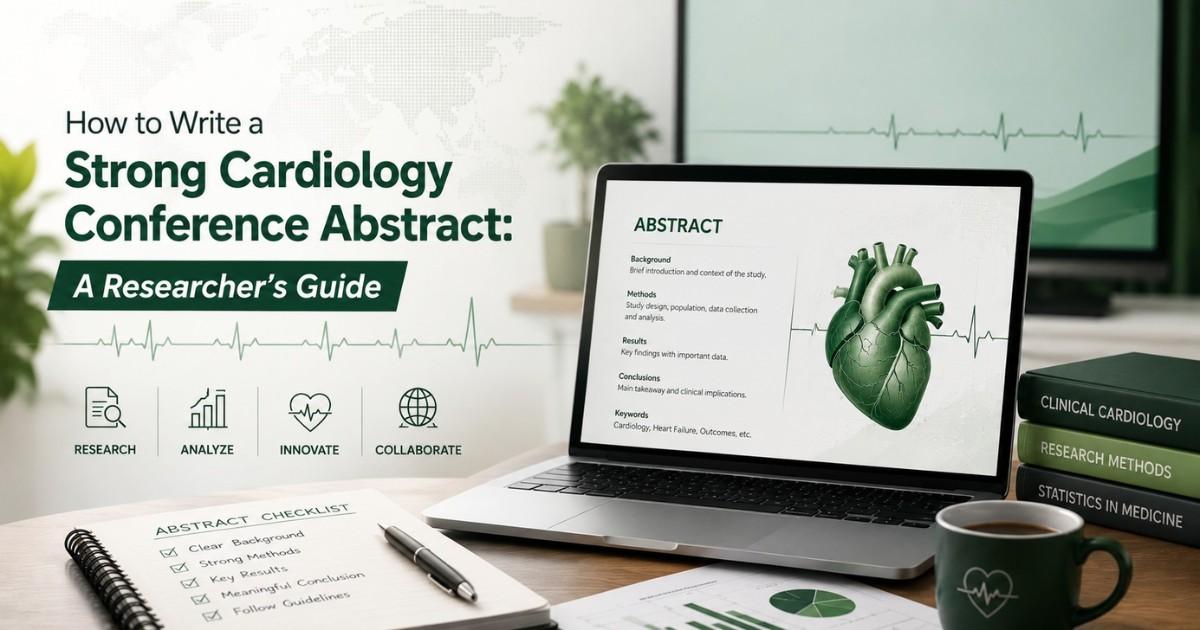
Category: Research & Academic Development | Cardiology Education | Reading time: 5 minsIntroductionPresenting research at a cardiology conference is an important opportunity for researchers, clinicians, and healthcare professionals to share their findings with the scientific community. However, before a study can be presented as an oral presentation or poster, it must first be accepted through the abstract submission process.A well-written abstract serves as the first impression of your research. Conference reviewers often evaluate hundreds of submissions, making it essential to communicate your study clearly, accurately, and concisely.Whether you are a first-time presenter or an experienced investigator, understanding how to prepare a strong cardiology conference abstract can significantly improve your chances of acceptance.Quick AnswerA strong cardiology conference abstract should be structured, concise, and clinically relevant. It must clearly state the background, objective, methods, results, and conclusion -all within the word limit. Reviewers prioritize clarity, originality, and the significance of findings. Avoid vague language, unsupported claims, and incomplete data.What Is a Conference Abstract?A conference abstract is a brief summary of a research project, clinical study, case report, or systematic review submitted for presentation at a scientific meeting.The purpose of an abstract is to provide reviewers and attendees with a concise overview of:The research questionStudy objectivesMethods usedKey findingsConclusions and significanceMost cardiology conferences require abstracts between 250 to 350 words, making every sentence important.Why Abstract Quality MattersA strong abstract can:Increase the likelihood of acceptance.Improve visibility for your research.Attract interest from collaborators.Enhance professional recognition.Create opportunities for publication and networking.On the other hand, even valuable research can be overlooked if the abstract is poorly organized or difficult to understand.Start with a Clear Research QuestionThe foundation of every strong abstract is a well-defined research question.Before writing, ask yourself:What problem does the study address?Why is this issue important in cardiovascular medicine?What knowledge gap does the research attempt to fill?A focused objective helps reviewers quickly understand the relevance of your work.For example, instead of a broad objective such as:"To study heart failure patients."Consider:"To evaluate the impact of remote monitoring on hospital readmission rates among patients with chronic heart failure."Specific objectives create stronger abstracts.Follow a Structured FormatMost cardiology conferences recommend a structured abstract format. Following these guidelines improves readability and makes it easier for reviewers to evaluate your submission.BackgroundBriefly explain the clinical or scientific problem being investigated.Example:"Heart failure remains a leading cause of hospitalization worldwide, highlighting the need for effective monitoring strategies."ObjectiveState the primary aim of the study clearly.Example:"This study evaluated whether remote patient monitoring reduced 30-day hospital readmissions among patients with chronic heart failure."MethodsDescribe how the study was conducted.Include:Study designPatient populationSample sizeData collection methodsStatistical analysisKeep this section concise while providing enough information to assess scientific validity.ResultsPresent the most important findings.Whenever possible:Include numerical data.Report statistically significant outcomes.Avoid vague statements.Instead of writing:"Patients showed improvement."Write:"Hospital readmissions decreased by 18% compared with standard care (p<0.05)."Specific results strengthen credibility.ConclusionSummarize the key takeaway and potential implications.Example:"Remote monitoring may reduce hospital readmissions and improve long-term management of patients with chronic heart failure."Focus on Clarity and SimplicityOne of the most common mistakes researchers make is trying to include too much information.Remember that an abstract is a summary, not a full manuscript.To improve clarity:Use simple and direct language.Avoid unnecessary technical jargon.Write short, concise sentences.Remove information that does not support the main objective.A clear abstract is often more effective than one filled with complex terminology.Highlight What Makes Your Research ImportantConference reviewers want to understand why your work matters.Consider highlighting:Clinical relevanceNovel findingsResearch innovationPotential impact on patient careFuture research implicationsAsk yourself:"What should the audience remember after reading this abstract?"The answer should be evident within the conclusion.Common Mistakes to AvoidMany abstract submissions are rejected due to avoidable errors.Frequent Problems Include:❌ Unclear study objectives❌ Missing or incomplete results❌ Lack of statistical information❌ Overly technical language❌ Grammar and formatting errors❌ Conclusions not supported by data❌ Failure to follow conference guidelinesBefore submission, carefully review all formatting requirements, word limits, and category selections.Review and Revise Before SubmissionStrong abstracts rarely emerge from a first draft.Before submitting:Review the abstract multiple times.Verify all data and statistics.Check spelling and grammar.Ensure consistency between objectives, methods, results, and conclusions.Ask a colleague or mentor to provide feedback.An external review can often identify areas that need clarification or improvement.Final ThoughtsWriting a strong cardiology conference abstract is both a scientific and communication skill. A well-structured abstract helps reviewers quickly understand the importance of your research and increases the likelihood of acceptance for presentation.By focusing on a clear research question, presenting meaningful results, following conference guidelines, and communicating your findings concisely, researchers can significantly improve the quality of their submissions.If you are preparing to submit research in cardiovascular medicine, Heart Congress welcomes original work across the full spectrum of cardiology — from basic science to clinical trials. Reviewing their abstract submission guidelines early gives your work the best chance of being heard.FAQWhat is the ideal word count for a cardiology conference abstract?Most cardiology conferences set limits between 250 and 350 words. Always check the specific submission guidelines for the conference you are targeting.Can I submit an abstract with preliminary data?Some conferences accept abstracts with preliminary findings, but competitive meetings often require complete results. Check the call for abstracts carefully.How long does abstract review take?Review timelines vary, but most major cardiology conferences notify applicants within six to ten weeks of the submission deadline.Should I include references in my abstract?Generally, no. Most abstract formats do not include space for references. If the format allows, limit citations to one or two key sources.What happens after my abstract is accepted?Accepted abstracts are typically assigned to oral presentation or poster sessions. You will receive specific instructions on format, timing, and submission of presentation materials.Is it acceptable to submit the same abstract to multiple conferences?Policies differ. Some conferences prohibit simultaneous submissions or previously presented work. Always review the originality requirements before submitting.

Jul 11, 2026 Read More
Heart Conference 2027
Why International Cardiology Conferences Matter for Researchers and Healthcare Professionals

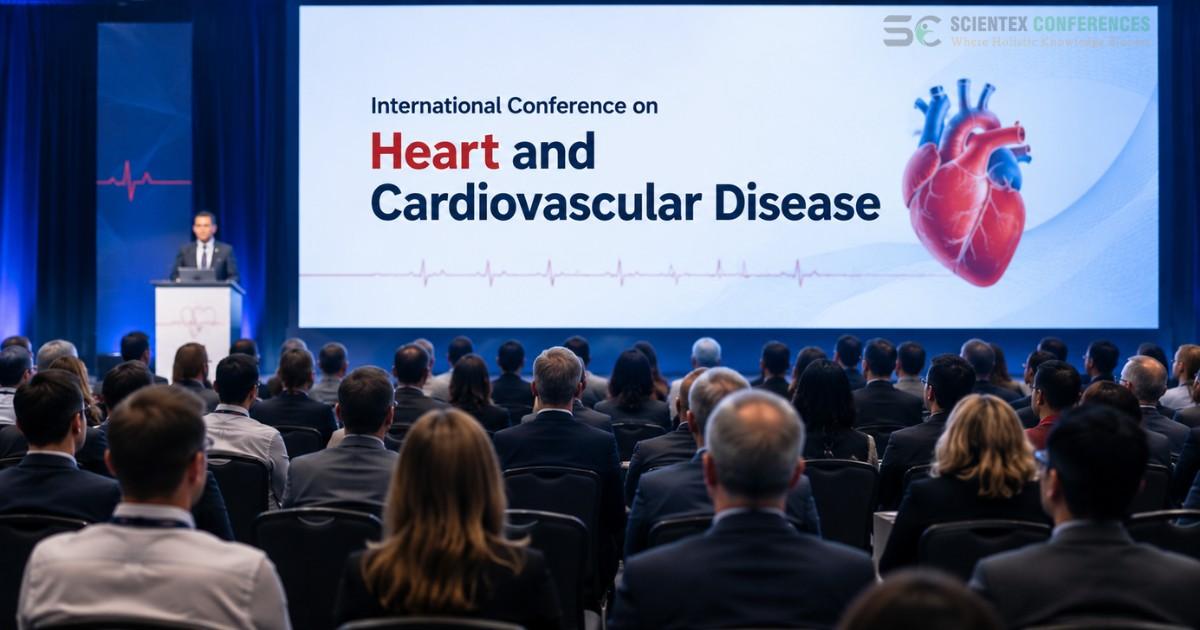
Category: Medical Education & Professional Development | Reading Time: 6 minsIntroductionEvery year, thousands of cardiologists, researchers, cardiac surgeons, and allied health professionals travel or log in remotely to attend international cardiology conferences. For those outside the circuit, it can look like an expensive way to sit through presentations. For those who attend regularly, the value is rarely questioned.But what exactly makes these events worth the time, the travel, and the registration fee? The answer goes beyond continuing medical education credits or a line on a CV. International cardiology conferences function as a specific kind of infrastructure for the medical field one that serves researchers, clinicians, and ultimately patients in ways that journals, institutional training, and online resources simply cannot replicate.Quick AnswerWhy do international cardiology conferences matter?International cardiology conferences accelerate the exchange of clinical research, expose attendees to global practice variations, create professional networks that support long-term collaboration, and provide a forum where emerging evidence is debated before it reaches published guidelines. For researchers, they offer visibility and peer feedback. For clinicians, they provide concentrated, up-to-date education across cardiology subspecialties in a compressed timeframe.The Case for In-Person and Hybrid Scientific ExchangeResearch Moves Faster When People TalkPublished cardiology literature is essential, but it operates on a delay. From study completion to peer review to publication, months or years can pass before findings reach a broad readership. Conferences compress that timeline.When a researcher presents a late-breaking trial at an international congress, the findings enter active clinical conversation immediately. Attendees ask questions, challenge methodology, draw comparisons with their own institutional data, and begin applying or deliberately not applying what they have heard.This real-time scrutiny is something a journal article cannot replicate. The discussion that follows a well-presented abstract often generates more practical insight than the abstract itself.Not All Cardiology Looks the Same EverywhereOne of the most underappreciated aspects of international medical conferences is the exposure they offer to how cardiovascular disease presents and is managed differently across regions.A cardiologist practising in Western Europe may have limited clinical exposure to Chagas cardiomyopathy, rheumatic heart disease, or hypertension patterns in specific demographic groups. A researcher from South Asia may rarely encounter the Northern European data that dominates published guidelines. International conferences close that gap not by resolving the differences, but by making them visible.Cardiology practice informed only by local data or dominant Western guidelines carries blind spots. Conferences that draw speakers from Latin America, the Middle East, South Asia, Africa, and Eastern Europe serve a genuine educational function that regional meetings cannot match.What Researchers Gain from International ConferencesFor researchers particularly those earlier in their careers international cardiology conferences offer several things that are difficult to obtain any other way:Peer feedback before publication. Presenting a poster or abstract allows researchers to test their methodology and findings against expert scrutiny before committing to a final manuscript. The questions asked during a poster session often improve the paper that follows.Visibility beyond institutional walls. Research conducted at smaller or less internationally connected institutions can go unnoticed if the only output is a journal article. Conference presentations put the work and the researcher in front of a broader audience.Access to collaborative opportunities. Shared research interests are difficult to identify at a distance. A brief conversation at a conference session frequently seeds collaborations that result in multi-centre studies, co-authored papers, or shared datasets.Exposure to unfamiliar methodologies. Attending sessions outside one's immediate subspecialty can introduce researchers to imaging techniques, statistical approaches, or molecular tools being used in adjacent fields approaches that may be directly applicable to their own work.Understanding of what the field considers important. Which questions are being asked, which trials are attracting attention, and which clinical problems remain unsolved are all things that become clearer after two days at a good international congress than after months of reading abstracts.What Clinicians Gain from Attending Cardiology CongressesFor practising cardiologists and cardiovascular healthcare professionals, the value proposition is different but equally concrete.Staying Current Without Losing Clinical TimeCardiology moves quickly. Guidelines are updated, major trials report, and clinical practice evolves faster than most busy clinicians can track through journal reading alone. A well-structured two-day congress can deliver concentrated updates across heart failure, arrhythmia, imaging, interventional cardiology, preventive care, and cardiac surgery subspecialties that overlap routinely in clinical practice but are rarely covered together in any other educational format.Hearing the Debate, Not Just the ConclusionGuidelines and consensus documents present conclusions. Conferences present the arguments behind them including the disagreements. Hearing two experienced cardiologists debate appropriate timing for mitral valve intervention, or listening to a panel discuss conflicting hypertension targets in elderly patients, gives clinicians a more nuanced understanding of where the evidence is firm and where it is contested.That nuance matters at the bedside. Medicine practised as though all guidelines are equally evidence-based and universally applicable produces worse outcomes than medicine practised with an understanding of clinical uncertainty.Practical Skills and Technique UpdatesMany international cardiology conferences include workshops, hands-on sessions, and technique demonstrations alongside their main scientific programme. For interventional cardiologists, electrophysiologists, and cardiac imaging specialists, these sessions offer learning that no lecture or published paper can provide.The Network Effect in Cardiovascular MedicineWhy Who You Know Still Matters in ScienceThe idea that science should be purely meritocratic that good research finds its audience regardless of who conducted it is appealing and largely false. Careers in academic cardiology, research funding, collaborative opportunities, and even referral patterns are all influenced by professional relationships.International conferences are one of the few environments where those relationships form naturally, across institutional and national boundaries. The colleague you meet during a coffee break may become a co-investigator on your next grant, a reference for a faculty position, or simply the person whose perspective you trust when facing an unusual case.Informal conversations at conferences are frequently cited by researchers as the origin of their most productive collaborations.Mentorship relationships that span countries and institutions often begin with an introduction at a scientific meeting.Early-career researchers who attend international conferences consistently report stronger professional networks than peers who do not.Hybrid Formats Have Expanded AccessThe shift toward hybrid conferences with virtual attendance options alongside in-person participation has meaningfully changed who can engage with international cardiology meetings. Researchers and clinicians from institutions with limited travel funding, from countries with restrictive visa processes, or with family and clinical responsibilities that make extended travel difficult can now participate in the same scientific programme.This is not a consolation prize. Virtual attendance at a well-run hybrid conference offers genuine access to presentations, Q&A sessions, and even some networking functions. The field is better served by broader participation, and hybrid formats have made that possible.How to Choose a High-Quality Cardiology ConferenceNot all conferences offer the same educational value. When selecting a meeting, healthcare professionals should consider several factors.Key Indicators of Conference Quality✔ Peer-reviewed abstract submissions✔ International faculty and speaker representation✔ Diverse cardiology subspecialty coverage✔ Opportunities for researcher and clinician participation✔ Strong scientific program and educational content✔ Hybrid or virtual attendance options✔ Networking and collaboration opportunitiesConferences that prioritize scientific quality and international collaboration generally provide the greatest professional benefit.A Final ThoughtInternational cardiology conferences play a vital role in advancing cardiovascular science, improving clinical practice, and strengthening global collaboration among healthcare professionals.By bringing together researchers, clinicians, educators, and industry experts, these meetings create opportunities for knowledge sharing, professional development, and scientific innovation. As cardiovascular disease continues to represent a major global health challenge, international scientific collaboration remains essential for improving patient outcomes and shaping the future of cardiovascular medicine.Heart Congress is one example of an international cardiology meeting designed to facilitate scientific exchange, interdisciplinary learning, and collaboration among cardiovascular professionals from around the world.Frequently Asked QuestionsWhy should cardiologists attend international conferences?International conferences provide access to the latest research, clinical updates, expert discussions, networking opportunities, and continuing medical education in a concentrated format.What are the benefits of presenting research at a cardiology conference?Researchers gain visibility, receive expert feedback, improve their work before publication, and build collaborations with investigators from around the world.How do conferences help early-career researchers?Conferences provide exposure, mentorship opportunities, presentation experience, networking connections, and access to potential collaborators and future career opportunities.

Jul 10, 2026 Read More
Heart Conference 2023
World Congress on Heart and Cardiovascular Diseases 2023: Scientific Highlights from Dubai

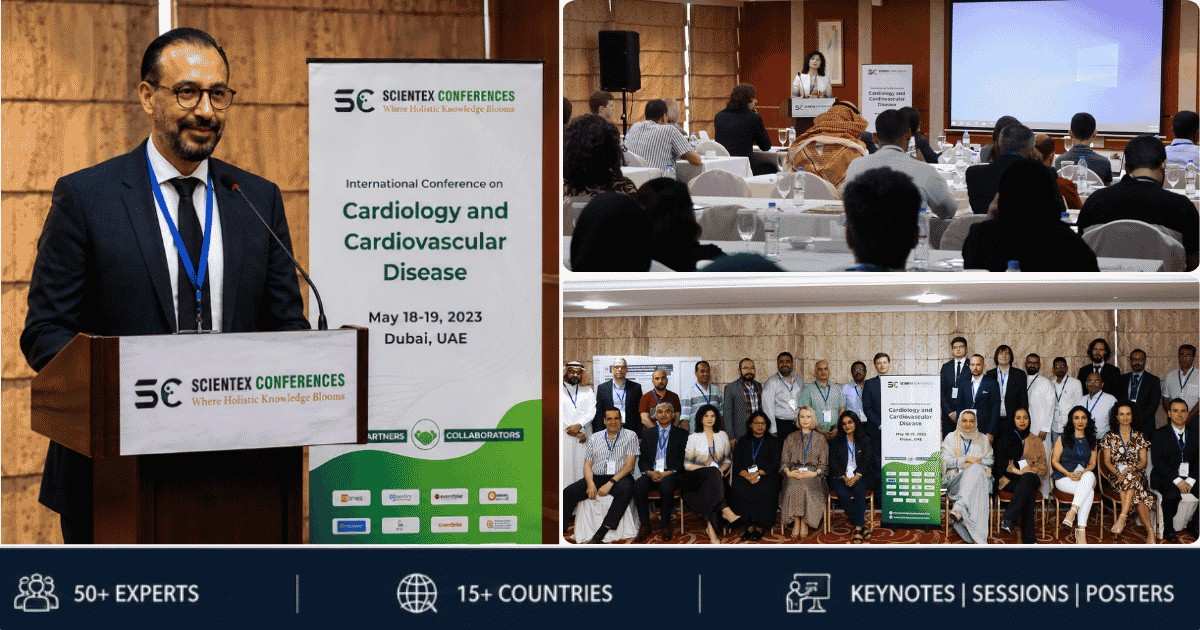
Category: Conference Reports | Reading Time: 7 minsIntroductionOn May 18–19, 2023, Dubai became the meeting point for cardiovascular researchers, clinicians, and scientists from across the globe. The World Congress on Heart and Cardiovascular Diseases. Heart Congress 2023 brought together over 50 experts representing more than 15 countries for two days of keynote lectures, speaker presentations, poster sessions, and video research submissions.Organised by Scientex Conferences as a hybrid event, the congress welcomed both in-person delegates at the venue and virtual participants joining remotely. The result was a scientific programme with genuine international breadth one that covered everything from molecular atherosclerosis to cardiac surgery, from COVID-19 cardiovascular complications to dyslipidemia management in specific populations.This is a record of what was presented, who led the discussions, and why it mattered.Quick AnswerWhat happened at Heart Congress 2023 in Dubai?Heart Congress 2023 was held on May 18–19, 2023, in Dubai, UAE, as a hybrid conference. It featured keynote presentations, speaker sessions, poster and video presentations across cardiovascular subspecialties, with participation from institutions in over 15 countries. A companion webinar, the International Webinar on Heart and Cardiovascular Diseases followed on May 25–26, 2023.Congress at a GlanceHere is a quick snapshot of what the two-day event delivered:Dates: May 18-19, 2023 | Dubai, UAEFormat: Hybrid - in-person and virtual attendanceParticipants: 50+ cardiovascular experts from 15+ countriesSession types: Keynote presentations, speaker sessions, poster presentations, video presentationsTopics covered: Arrhythmia, atherosclerosis, cardiac imaging, COVID-19 cardiovascular effects, hypertension, dyslipidemia, structural heart disease, cardiac surgery, preventive cardiologyCountries represented: Brazil, Russia, Saudi Arabia, India, Bangladesh, Australia, USA, Argentina, Serbia, Azerbaijan, Kazakhstan, Egypt, France, Portugal, Morocco, Bulgaria, Hungary, Mexico, Iran, Democratic Republic of CongoKeynote Presentations: Setting the Scientific ToneDay 1 KeynotesThe first day opened with a keynote from Eduardo Marinho Tassi (Rio de Janeiro Federal University and Federal University of the State of Rio de Janeiro, Brazil), who examined the relationship between urinary norepinephrine, cardiac fibrosis, and arrhythmias in chronic Chagas heart disease - a condition that carries significant cardiovascular burden in Latin America but receives limited coverage at most European and North American conferences.The second keynote came from Irina A Mandel (Federal Scientific and Clinical Center for Specialized Medical Assistance, Russian Federation), who presented on endothelial function and hypoxic-hyperoxic preconditioning in coronary surgery exploring how perioperative oxygen management influences surgical outcomes.Day 2 KeynotesKaneez Fatima Shad (University of Technology Sydney, Australia) opened Day 2 with a session exploring whether reactive human fetal astrocytes can mimic a hypertensive state an unconventional but thought-provoking angle on the neurobiological dimensions of blood pressure regulation.The closing keynote was delivered by Ahmad El Ouweini (Thumbay University Hospital and Gulf Medical University, UAE), who surveyed the current state of dyslipidemia management historical context, current pharmacotherapy, and where the field is heading with newer lipid-lowering agents.Key Scientific Sessions: What Was DiscussedAtrial Fibrillation and AblationIlya Sorokin (Privolzhsky District Medical Centre, Russian Federation) presented a new method for esophageal temperature management during cryoballoon ablation for atrial fibrillation, a clinically relevant contribution to an ongoing patient safety discussion in electrophysiology.COVID-19 and Cardiovascular ComplicationsMultiple sessions across both days addressed the cardiovascular footprint of COVID-19:Victoria A Sergeeva (Saratov State Medical University, Russia) examined cardiovascular manifestations of COVID-19 and post-COVID-19 syndromeAhmed Samman (King Fahad General Hospital, Saudi Arabia) presented a retrospective cohort study on the diagnostic utility of echocardiography and cardiac MRI in COVID-19 patientsNancy F Yuan (University of California, USA) presented work on a shallow convolutional neural network for real-time COVID-19 pneumonia detectionAtherosclerosis: Molecular MechanismsVasily N Sukhorukov (Institute for Atherosclerosis Research, Russian Federation) delivered two sessions: one examining foam cell formation and the interplay between cholesterol accumulation and inflammatory response, and another on an atherosclerosis-associated mitochondrial DNA mutation and its impact on mitophagy. Dmitry A Kashirskikh from the same country presented work on an in vivo LDL desialylation model.Hypertension Across PopulationsThe congress addressed hypertension in a range of patient groups:Ilaha Aghayeva (Military Scientific Research Institute, Azerbaijan) - hypertension prevalence in young military personnel and proinflammatory markers in early diagnosisAleksandra Ilic (University of Novi Sad, Serbia) - ambulatory blood pressure monitoring in hypertensive disorders of pregnancySwetha Kannan (Gulf Medical University, UAE) - the relationship between sleep and hypertension, presented as a narrative reviewLipid Management and DyslipidemiaRaman Puri (I P Apollo Hospital and Lipid Association of India) delivered an expert consensus-based session on managing diabetic dyslipidemia in the Indian population a clinically important topic that is often underrepresented in guideline documents shaped primarily by Western datasets.Structural Heart Disease and SurgeryHuda Hassan Ismail (Prince Sultan Cardiac Center, Saudi Arabia) addressed the ongoing debate around timing of intervention in moderate ischaemic mitral regurgitationAnton Minaev (A.N. Bakulev National Medical Research Center of Cardiovascular Surgery, Russia) presented on surgical decision-making in congenital heart defects in elderly patients with comorbidities.Carlos A Dumont (Rosario Private Hospital, Argentina) examined ventricular arrhythmias in cardiac amyloidosis and the question of sudden death preventionPoster and Video Sessions: Research Beyond the PodiumThe poster session on Day 1 brought additional research into the programme:Trends in cardiometabolic risk factors among 175 pilots over five years - Nathan B Buila, University of Kinshasa Hospital, Democratic Republic of CongoEarly versus delayed invasive intervention in acute coronary syndrome - Masuma Jannat Shafi, Ibrahim Cardiac Hospital, BangladeshA qualitative case study on sternotomy scar incorporation - Edina Toman, ELTE Eotvos Lorand University, HungaryThe Day 2 video presentations were notably diverse, covering:ECMO support for COVID-19-induced ARDS following LVAD implantation (Kazakhstan)Purinergic system involvement in cardiovascular disease (Brazil)Echocardiography integration in respiratory intensive care (Egypt)Ethics and rationale for saphenous vein preservation (France)A case report on coronary artery fistula (Portugal)Heart Webinar 2023: Extending the Reach of Scientific ExchangeJust one week after the Dubai congress, Scientex Conferences hosted the International Webinar on Heart and Cardiovascular Diseases on May 25–26, 2023 - a fully virtual event running on Dubai time (GMT+4).The webinar carried its own theme: "Novel Progression towards the Heart and Cardiovascular Research" and attracted distinguished keynote speakers from universities and research institutions worldwide.The webinar format served a clear purpose: extending access to researchers and clinicians who could not attend the in-person event in Dubai, while maintaining the same standard of scientific discourse. The engagement from both the organising committee and presenters was noted as a key factor in its success.One attendee summed it up well:"International Webinar on Heart and Cardiovascular Diseases was a wonderful conference, very well organized. It was an academic feast indeed."— Inderjeet Singh Monga, Command Hospital, IndiaThe success of Heart Webinar 2023 directly led to the organisation of a second edition the 2nd International Webinar on Heart and Cardiovascular Diseases scheduled for May 2024 in the Bangkok time zone (GMT+7).What Speakers Said: Voices from Heart Congress 2023The most candid measure of any scientific conference is what the people who attended actually say about it. Here is what speakers and delegates shared after Heart Congress 2023:"Honored and excited to be invited as Keynote Speaker... I shared with a diverse group of over 50 esteemed cardiovascular experts from different global regions the historical background, the latest updates in the pharmacotherapeutic options for Dyslipidemia management, and the future directions in pharmaceutical innovations in this field."— Ahmad El Ouweini, Gulf Medical University & Thumbay University Hospital, UAE"I liked Heart Conference 2023, it was interesting, and I met a lot of people who became my friends. We continue to discuss our professional tips. So thank you for this opportunity!"— Irina A Mandel, Federal Scientific and Clinical Center, Russian Federation"It was a big honor being part of this amazing event. It brought a lot of experience, and seeing all those different experts showing what they do best, and the possibilities of interaction — it was fantastic. The organization was impeccable."— Jamisson Garrote Teixeira, Hospital Memorial Arthur Ramos, Brazil"I would recommend all cardiologists to participate. The variety of lectures, the excellent teamwork, and the invitations — hopefully I see you next year."— Ahmed Samman, King Fahad General Hospital, Ministry of Health, Saudi ArabiaWhy Heart Congress 2023 Stood OutLooking back at the programme, a few things distinguished Heart Congress 2023 from more routine scientific meetings:True geographic diversity - speakers from over 15 countries across 6 continents, not just the usual North American and Western European circuitSubspecialty breadth - a single programme that covered molecular cardiology, electrophysiology, cardiac surgery, imaging, and preventive care without feeling unfocusedInclusive access - the hybrid format meant researchers who could not travel to Dubai were still able to present and engage fullyCompanion webinar - the May 25–26 webinar extended the scientific exchange beyond the congress dates and reached a separate, broader audienceEarly-career visibility -poster and video presentation slots gave researchers at smaller or less internationally connected institutions a genuine platformClosing NoteHeart Congress 2023 was, by the account of those who attended it, exactly what a good international cardiology meeting should be: rigorous in its science, generous in its scope, and genuinely international in its community.The conversations that started in Dubai - and continued through the webinar the following week reflect the kind of cross-border, cross-specialty exchange that advances the field in ways that published literature alone cannot.For those who were there, the record is above. For those who missed it, the Heart Congress series continues with each edition building on what came before.2023 Conference Access here: Gallery | Proceedings | Testimonials | Attendees

Jul 10, 2026 Read More
Heart Congress 2026
Four Editions In, Heart Congress Found Its Rhythm in Kuala Lumpur

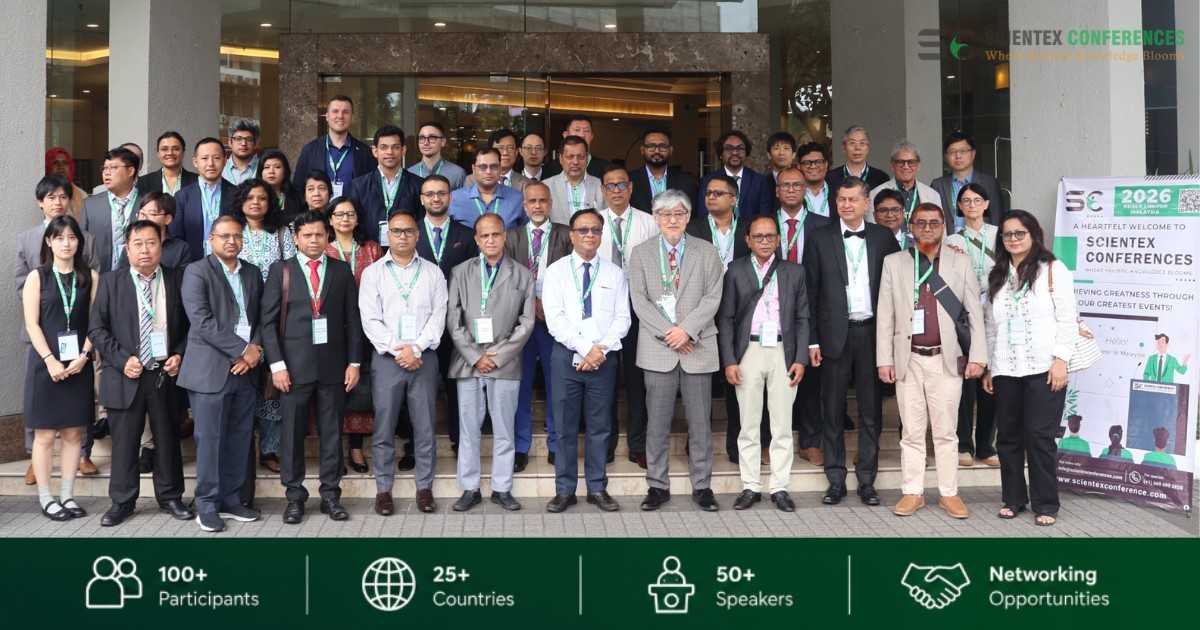
Category: Conference Report | Reading Time: 7 minsThere is a particular kind of conference that does not try to be everything. It does not fill four parallel tracks, does not stack sixty speakers into back-to-back ten-minute slots, and does not chase numbers at the expense of conversation. Heart Congress 2026, held at the AC Hotel by Marriott in Kuala Lumpur on May 4–5, 2026, was that kind of conference - and by the accounts of those who attended, it delivered precisely because of it.The 4th International Conference on Heart and Cardiovascular Diseases brought cardiothoracic surgeons, cardiologists, researchers, and clinicians from Japan, India, Russia, the UK, the USA, Argentina, the Philippines, Australia, China, Bangladesh, Indonesia, Kazakhstan, Ireland, Tunisia, and beyond into a two-day programme structured around six clinical session tracks. The theme remained what it has been since 2023: Novel Progression Towards the Heart and Cardiovascular Research. The science, however, was anything but familiar ground.Opening the Stage: Keynotes That Set the AgendaThe first morning opened with three keynotes that together covered a remarkable range from cardiac electrophysiology practice in a US medical centre to decade-long surgical outcomes data from Japan and ECG interpretation applied in the insurance industry in China.Terrance Khastgir (Integris Baptist Medical Center, USA) opened the congress with a session on heart failure management from an electrophysiology perspective positioning device therapy and electrical interventions within the broader heart failure care framework. As session chair for the morning track, Khastgir's presence shaped the scientific tone of the day.Tatsuya Nakao (New Tokyo Hospital, Japan) appearing at Heart Congress for the fourth year running brought ten-year data from a uniquely challenging patient population: Jehovah's Witness patients undergoing bloodless open cardiac surgery. The session combined genuine clinical rarity with procedural depth, and drew on Japan's experience of adapting complex cardiac surgery to ethical and religious constraints without compromising outcomes. It also allowed for a comparative look at international approaches to the same challenge.Zhongjian Li (Zhengzhou University, China) closed the first keynote block with a presentation on expert consensus in ECG identification as applied in the insurance industry, a topic that sits at the intersection of clinical cardiology and medical risk assessment, and one that opened the programme to discussions about how cardiological interpretation travels beyond the clinic.The second morning's keynotes were equally distinct in character. Daniel Victor Ortigoza (Hospital de Morón and Syrian-Lebanese Hospital, Argentina) addressed anticoagulation in elderly and frail patients with atrial fibrillation, a question with no clean algorithmic answer and significant clinical consequence. Anand Balaram Patil (Dr. ABPRIFR and Medicover Hospitals, Mumbai, India) presented a case study that challenged standard thinking about recovery ceilings: a patient achieving a VO2 peak of 37.5 following acute proximal LAD stent thrombosis and ventricular tachycardia storm in HFrEF. It was a clinically striking opening to the afternoon.The Six Clinical Tracks: A Programme Built for DepthRather than presenting the science chronologically, it is worth understanding what Heart Congress 2026 actually covered and why the session architecture mattered.Cardiac Electrophysiology, Imaging, Clinical Cardiology, and SurgeryThe morning session track on the first day covered significant ground across subspecialties:Artem Komkov (Moscow City Clinical Hospital 67, Russia) examined the relationship between supraventricular extrasystole and atrial fibrillation paroxysms - a mechanistic question with practical implications for arrhythmia monitoring and intervention timingAnmol Rathore (John Radcliffe Oxford University Hospitals, UK) presented on lung ultrasound scoring and its correlation with modified Ross score in infants with left-to-right shunt bridging paediatric cardiology and critical care imagingSurya Satya Gopal Palanki (Nizam's Institute of Medical Sciences, India) described a collaborative cardiothoracic transplant ecosystem built through the NIMS–UT Southwestern partnership - a model of how institutional collaboration across continents shapes advanced cardiac care capacityGabriela Strey (Hervey Bay Hospital, University of Queensland, Australia) presented a case series of eleven patients with troponin interference in clinical practice - a diagnostic pitfall that remains underappreciated in rural and regional hospital settingsKazuhisa Kaneda (Kyoto University Hospital, Japan) shared data on online cardiac rehabilitation for Japanese patients with coronary artery disease - a session that raised practical questions about digital health delivery, patient compliance, and outcome equivalence with in-person programmesNikita Chibisov (Botkin Hospital, Russia) contributed two sessions across the programme - one comparing warm blood cardioplegia formulations in prolonged aortic cross-clamping, and one on haemoadsorption for antiplatelet and anticoagulant elimination in urgent cardiac surgery. Both were technically detailed and drew on real institutional experienceCoronary Artery Disease, Structural Heart Disease, and Interventional CardiologyThe afternoon of the first day brought structural heart disease and intervention to the fore:Muhammad Jibran Hakak (Queen Elizabeth Hospital, London, UK) correlated C-reactive protein-to-albumin ratio with coronary artery disease severity in myocardial infarction patients - adding a simple, accessible biomarker to the risk stratification conversationThree sessions from the New Tokyo Hospital team examined transcatheter valve outcomes with a granularity rarely seen outside single-centre surgical data. Haruhito Yuki presented pathological assessment of a decade-old SAPIEN XT valve showing accelerated structural degeneration in a dialysis-dependent patient, as well as management of severe aortic stenosis with an infra-aortic-annular aneurysm using the Evolut FX device. Toru Naganuma reported two-year outcomes of valve-in-valve TAVI (SAPIEN 3 Ultra RESILIA-in-SAPIEN XT) in a small annulus. The cumulative weight of this structural valve data from a single Japanese centre was one of the scientific highlights of the congressDaniel Chadda (The George Washington University, USA) addressed the clinical importance of early endovascular intervention in type-B aortic dissectionJecco Ani Babu (Caritas Hospital, India) presented practical tips and techniques in minimally invasive coronary artery bypass grafting - bridging surgical technique and clinical decision-making in the MICS-CABG spaceToru Ouchi (New Tokyo Hospital, Japan) closed the day with data on long-term outcomes of surgical left atrial appendage closure with and without ongoing anticoagulation - a question with direct implications for stroke prevention strategy in AF patients undergoing cardiac surgeryAdvanced Imaging, Vascular Medicine, and Cardiac PharmacologyThe second morning brought imaging and pharmacology into focus:Jyoti Borse (Smt. Kashibai Navale Medical College, India) compared point-of-care ultrasound with traditional imaging in critically ill patients - a head-to-head practical assessment with implications for emergency and ICU care pathwaysAndrea Radyaputri (Universitas Gadjah Mada, Indonesia) presented a systematic review of AI applications in chronic venous insufficiency management - a session that extended the AI-in-cardiovascular-medicine conversation into vascular diseaseHanan Nur (Manchester University NHS Foundation Trust, UK) examined the molecular role of microRNAs in sinoatrial node calibration - one of the more basic-science-oriented presentations of the congress, and a useful counterweight to the predominantly clinical programmeNalini Kumari (Apollo Institute of Medical Sciences and Research, India) reviewed emerging treatment options for familial hypercholesterolaemia, with particular attention to RNA-based therapies and PCSK9 inhibition in a population where LDL targets are routinely missedGulzhan Sarsenbayeva (Scientific Center for Pediatrics and Children's Surgery, Kazakhstan) presented a risk stratification framework for paediatric cardiac surgery patients with comorbid pathology - offering data from a region and patient population underrepresented in published surgical literatureAlexandra Anisimova (I.V. Davydovsky City Clinical Hospital, Russia) shared preliminary real-world experience with goflikicept in patients with idiopathic recurrent pericarditis - an inflammatory condition with limited treatment options and a drug that represents a genuinely new therapeutic pathwayCardiovascular Medicine, Pulmonary Hypertension, and Preventive CardiologyThe afternoon track of the second day brought a deliberately broader perspective:Fabian M Dayrit (Ateneo de Manila University, Philippines) presented a coconut-centred framework for holistic cardiovascular assessment - an unconventional but well-grounded session examining dietary fat composition, cultural food practices, and lipid metabolism from a Southeast Asian perspectiveAlina Cornea (Beacon Hospital, Ireland) - returning from Heart Congress 2025 examined the effect of amiodarone therapy on early post-transplant graft function in heart transplant recipients. Given the ubiquity of amiodarone use in arrhythmia management and the vulnerability of the transplanted heart in the early post-operative period, this was a clinically important and underexplored intersectionClaudio L Pereira da Cunha (Federal University of Parana, Brazil) - also a returning speaker presented on vitamin D and the cardiovascular system, reviewing the evidence around its role in vascular function, cardiac muscle, and cardiovascular riskTzhen Whey Chuah (Townsville University Hospital, Australia) described a case of sequential transcatheter thrombectomy for an enlarging right atrial thrombus in transit - a high-stakes emergency scenario managed with a minimally invasive approachVideo and E-Poster PresentationsThe video presentation slots brought research from Russia, the UK, and further afield:Asya Alikhanovna Shadieva (Astrakhan State Medical University, Russia) - clinical and functional parameters in elderly hypertensive patients after COVID-19Olga Shevaldova (Federal State Budgetary Scientific Institution, Russia) - comprehensive cardiac rehabilitation in adolescents with congenital heart disease, examining systemic relationshipsMuhammad Usama (Nottingham University Hospitals, UK) - meta-analysis of ticagrelor versus clopidogrel in acute coronary syndrome patients on dialysisE-poster presentations included an anaesthetic case report on off-pump CABG complicated by Impella-mitral valve interference from Keisuke Sumii (Saitama Sekishinkai Hospital, Japan), and a simulation science presentation from Anna Homes (DASH Simulation Centre, UK) on immersive technology in cardiac arrest training.The 4th International Webinar: Parallel Science, Global ReachTwo weeks after the Kuala Lumpur congress closed, the 4th International Webinar on Heart and Cardiovascular Diseases took place on May 18–19, 2026, delivered virtually in the Malaysia time zone (GMT+8).The webinar drew eminent cardiologists, cardiovascular researchers, healthcare professionals, and industry experts from across the globe. The programme featured oral and poster presentations, video sessions, and interactive Q&A discussions covering cardiology, cardiac surgery, heart failure, electrophysiology, preventive cardiology, vascular disease, and emerging cardiac technologies.The organisers described the event's outcome clearly: the overwhelming response, positive feedback, and the quality of scientific engagement from attendees has motivated planning for the next edition. The 5th International Webinar on Heart and Cardiovascular Diseases is now scheduled for May 17–18, 2027.What Attendees SaidThe testimonials from Kuala Lumpur tell a consistent story — one about learning, access, and the value of a conference that makes room for genuine exchange."I like this meeting, because we can make good friends internationally, very familiar with everybody. So, next year, I am looking forward to participate in this conference."— Tatsuya Nakao, New Tokyo Hospital, Japan"I had a very nice time, very nice deliberations by experts from all around the world. We have seen experts speak on various subjects — cardiology, cardiothoracic surgery, perfusion, and more. Experts came from Japan to Philippines to UK to Russia to India - all around the globe. It is a very great learning experience."— Surya Satya Gopal Palanki, Nizam's Institute of Medical Sciences, India"This type of programme will increase our knowledge and it will be very much helpful for our clinical practice as well as for my patient."— Kallyanashish Sardar, Satkhira Medical College Hospital, Bangladesh"Me with 22 colleagues together attending this programme, and it will be very beneficial for us and for our patient after getting the knowledge and thinking from this programme."— Prosenjit Biswas, Jhenaidah General Hospital, Bangladesh"I learned a lot from this seminar and conference, and I am on to contribute to my patient for their well-being after returning from my motherland."— Biswojit Mondal, Khulna Medical College Hospital, BangladeshThe testimonials from Bangladesh are particularly worth noting. A group of 22-plus clinicians attending together from multiple hospitals and institutions represents exactly the kind of collective professional development that a well-run international congress enables. These were not researchers presenting papers; they were practising clinicians investing time and travel to bring new knowledge back to their patients.Five Editions and What They ShowHeart Congress 2026 closed with the announcement of its next chapter: the 5th International Conference on Heart and Cardiovascular Diseases, scheduled for April 22–23, 2027, in Paris, France, under a new theme - Transforming Cardiovascular Care: Bridging Innovation, Research, and Clinical Excellence.Looking at the series as a whole, a clear pattern has emerged across four editions and four cities:1st Edition (2023): Dubai, UAE — Webinar Timezone: GMT+42nd Edition (2024): Bangkok, Thailand — Webinar Timezone: GMT+73rd Edition (2025): Dubai, UAE — Webinar Timezone: GMT+44th Edition (2026): Kuala Lumpur, Malaysia — Webinar Timezone: GMT+85th Edition (2027): Paris, France — Webinar Timezone: To Be Confirmed (TBC)Each edition has rotated geography deliberately — covering the Middle East, Southeast Asia, South Asia, and now moving into Europe. The webinar series has tracked the in-person timezone, maximising accessibility for regional participants.The scientific content has deepened correspondingly. From the foundational molecular and pharmacological presentations of 2023 to the surgical outcome series, AI imaging sessions, and transplant discussions of 2026, the programme has evolved while keeping the same essential character: focused, internationally diverse, and structured around genuine time for discussion.Paris 2027 will mark the first European edition and the first under a new theme. It will likely draw a different mix of speakers and delegates and the scientific conversation will be richer for it.Full proceedings, gallery, testimonials, and speaker profiles from Heart Congress 2026 are available below.2026 Conference Access here: Gallery | Proceedings | Testimonials | Attendees

Jul 10, 2026 Read More

Heart Congress 2025
Heart Congress 2025, Dubai: Where Surgery, Science, and Global Cardiology Met Under One Roof

Category: Conference Report | Event: 3rd International Conference on Heart and Cardiovascular Diseases | Reading Time: 7 minThe third time around, it felt different.Not just because the 3rd International Conference on Heart and Cardiovascular Diseases returned to Dubai - the same city that hosted the very first Heart Congress in 2023. But because the programme itself had matured. The conversations were sharper. The research more varied. The speaker list more international. And the sessions structured across five distinct clinical themes showed what a cardiology congress looks like when it stops trying to be everything at once and instead commits to depth.May 05-06, 2025. Dubai, UAE. Here is what happened.The Shape of the ProgrammeRather than running sessions as a chronological list of presentations, Heart Congress 2025 was structured around themed clinical tracks. Each half-day carried a specific scientific focus, chaired by a named session lead giving the programme a coherence that attendees at large, sprawling cardiology meetings rarely experience.The tracks covered:Cardiovascular Diseases, Clinical Cardiology and Case Reports, Cardiac Emergency Care, Heart Failure - chaired by Tatsuya Nakao (New Tokyo Hospital, Japan)Echocardiography, Advances in Cardiovascular Imaging, Cardiovascular Impact on COVID-19 - chaired by Gustavo Samaja (Policlinica Bancaria, Buenos Aires, Argentina)Vascular Surgery, Regenerative and Translational Cardiology, Vascular Diseases, Endovascular Interventions - co-chaired by Toshifumi Kudo (Institute of Science Tokyo, Japan) and Ruhul Abid (The Warren Alpert Medical School of Brown University, USA)Cardiovascular Pharmacology, Cardiomyopathy, Genetic Cardiac Disorders, Critical Care, Electrophysiology -chaired by Claudio L Pereira da Cunha (Federal University of Parana, Brazil)Heart Failure, Hypertension, Vascular Disease, Atrial Fibrillation, Atherosclerosis - chaired by Seyed Mohammad Kasaei (HealthHub, Al Futtaim Health, UAE)Current Research in Cardiology, Interventional Cardiology, Echocardiography, Aneurysm, Heart Failure - chaired by Ruhul Abid (Brown University, USA)The result was a programme where a vascular surgeon, an electrophysiologist, and a heart failure specialist could all attend sessions squarely relevant to their practice - without sitting through irrelevant content just to get to the one session that mattered.The Keynotes: Three Directions the Field Is MovingLong-Term Outcomes in Aortic Arch SurgeryTatsuya Nakao (New Tokyo Hospital, Japan) returned to Heart Congress for the third consecutive year - this time with up to 9.5 years of follow-up data from a single-centre retrospective cohort on Zone 1 arch repair using the Frozen Elephant Trunk technique with Frozenix. Long-term durability data in complex aortic surgery is genuinely scarce, and Nakao's contribution gave the congress one of its most clinically substantive opening sessions.His return was noted by delegates. As he put it himself after the conference:"I made good friends. Cardiovascular surgeons, cardiologists, many kinds of people came together and we had enough time to present. I'm very happy to come here. Next year, I'll come again — be sure about that."— Tatsuya Nakao, New Tokyo Hospital, JapanBalloon Aortic Valvuloplasty in the TAVI EraGustavo Samaja (Policlinica Bancaria and Sanatorio Colegiales, Buenos Aires, Argentina) addressed a question that many assumed was already settled: does balloon aortic valvuloplasty still have a place when TAVI is increasingly available? His keynote argued that it does as a bridge strategy, as a palliative option, and in specific anatomical scenarios where TAVI remains impractical. It was a well-timed counterpoint to the sometimes uncritical enthusiasm around transcatheter valve programmes.Cardiac MRI in Acute Myocardial InfarctionSeyed Mohammad Kasaei (HealthHub, Al Futtaim Health, UAE) examined the role of cardiac MRI in patients presenting with acute MI covering tissue characterisation, infarct sizing, microvascular obstruction, and the clinical scenarios where MRI adds meaningful diagnostic information beyond standard echocardiography.Myocardial Function and Perfusion in Ischaemic Heart DiseaseRuhul Abid (The Warren Alpert Medical School of Brown University, USA) opened the second day with a keynote on recent developments in improving myocardial function and perfusion in ischaemic heart disease covering emerging regenerative and translational approaches that sit at the intersection of laboratory science and clinical cardiology. Abid's session bridged basic and applied research in a way that few speakers can manage convincingly.After the congress, he reflected:"I really enjoyed my time here. The organisation was very well done. I met several great scientists from different countries and there is real possibility of collaboration starting. I can tell you for myself.I met new friends and will continue the exchange programs. It's a really great experience."— Ruhul Abid, The Warren Alpert Medical School of Brown University, USAPhysical Activity and Hypertension in Occupational SettingsClaudio L Pereira da Cunha (Federal University of Parana, Brazil) presented on the influence of physical activity on arterial hypertension in workers, a population-level perspective that brought public and occupational health into an otherwise clinically focused programme. The session was a useful reminder that cardiovascular risk is shaped well before patients arrive in cardiology clinics.Clinical Science Across Five ThemesSurgery That Pushed BoundariesThe vascular and cardiac surgery sessions were among the most technically detailed of the congress. Highlights included:Massimo Griselli (King Abdullah bin Abdulaziz Hospital, KSA) delivered two workshop sessions — on Fontan failure and heart transplantation, and on heart transplantation following prolonged ECMO support. The workshop format allowed more dialogue than a standard lecture slot, and these sessions generated active discussion.Anatolii Ivaniuk (Kyiv Municipal Clinical Hospital Cardiovascular Center, Ukraine) presented a case of successful surgical treatment of left ventricular free wall rupture due to post-infarction aneurysm a high-stakes scenario with significant technical demands.Midinov Amirbek Shamshidinovich (VEDANTA Medical Centre, Kyrgyzstan) described the successful elimination of a true left ventricular aneurysm with thrombectomy and revascularisation in a patient with an ejection fraction of 16% the kind of case that challenges standard risk calculations.Japanese vascular surgery was particularly well represented, with sessions on carotid artery stenting outcomes (Diego Moniaci, Italy), distal bypass for critical limb ischaemia (Taku Kokubo, Sapporo, Japan), popliteal artery occlusion (Takuya Hanazuka, Shuuwa General Hospital, Japan), aortoiliac endovascular repair (Toshifumi Kudo, Tokyo), and subclavian artery aneurysm resection (Takuto Hayashi, Teikyo University, Japan).Toshifumi Kudo captured the spirit of this exchange simply:"In this conference, I had a very valuable experience. I'm looking forward to seeing you all again next year."— Toshifumi Kudo, Institute of Science Tokyo, JapanImaging, Echocardiography, and Diagnostic InnovationThe imaging track produced several sessions worth noting:Samar Fuzail Patankar (St George's University, Grenada) presented EchoCLIP -a multimodal AI model applied to echocardiography. The session positioned AI not as a future aspiration but as a present-tense diagnostic tool, and raised important questions about how such models are validated and integrated into reporting workflows.Fabrizio De Rosa (Hospital of Fidenza, Italy) presented the use of contrast echocardiography in detecting a giant right coronary artery aneurysm - demonstrating how an established technique, applied carefully, can clarify complex anatomy.Toru Ouchi (New Tokyo Hospital, Japan) examined long-term outcomes of left atrial appendage closure or amputation, specifically whether anticoagulation should be continued after surgical LAA intervention - a question without universal consensus.Pharmacology, Heart Failure, and the SGLT2 ConversationSGLT2 inhibitors featured prominently - but from a more critical angle than the standard evidence review.Serge Lepage (University of Sherbrooke, Canada) addressed SGLT2 inhibitor intolerance in heart failure patients and the predictive factors associated with it. As these agents become default therapy, understanding who cannot tolerate them - and why - is increasingly important clinical knowledge.Deepak Verma (Jeevandeep Heart Care Centre, India) examined prognostic utility of BNP and the six-minute walk test in acute decompensated heart failure. Andre Bernardi (FAPI University Center, Brazil) presented real-world data from the Brazilian public health system on LDL-cholesterol goal achievement after acute MI a sobering look at the gap between guideline targets and what actually happens at a population level.Hypertension, Atherosclerosis, and Preventive CardiologySeveral sessions reinforced the prevention agenda:Ildar Fakhradiyev's 2024 work on hypercholesterolaemia in Kazakhstan was extended by new sessions on lipid-lowering therapy in ACS patients over a 14-year follow-up (Nikitina Aglaya Olegovna, Petrozavodsk State University, Russia)Ifunanya Sheila Osigwe (Bronglais General Hospital, UK) presented a systematic review and meta-analysis on the association between psoriasis and atherosclerotic cardiovascular disease — a link increasingly recognised in rheumatology and cardiology clinical crossoverShadab Rauf (Rauf Multispeciality Hospital, India) correlated immature platelet fraction and mean platelet volume with coronary artery disease extent in NSTEMI patientsEmergency Care, Resuscitation, and Global AccessSome of the most impactful sessions at Heart Congress 2025 were not about cutting-edge technology but about access to basic life-saving care.Nilmini Wijesuriya (Sri Lanka Resuscitation Council) presented Restart a Heart Sri Lanka - a national community CPR awareness initiative. The session was a reminder that outcomes in cardiac arrest are determined more often by bystander response than by what happens in the cath lab.Jyoti Borse (Smt. Kashibai Navale Medical College, India) compared rapid sequence intubation versus delayed sequence intubation in emergency department settings - a practical question with direct implications for outcome in acute presentations.The 3rd International Webinar on Heart and Cardiovascular DiseasesRunning parallel to the Dubai conference, the 3rd International Webinar on Heart and Cardiovascular Diseases took place on May 5–6, 2025, in the GMT+4 timezone bringing together cardiologists, researchers, medical professionals, and business delegates from across the globe in a fully virtual format.The webinar programme included oral presentations, poster and video sessions, and live Q&A exchanges. Its structure mirrored the rigour of the in-person congress while opening access to participants who could not travel to Dubai.Voices from DubaiPerhaps the most consistent theme running through what speakers said after the congress was the quality of the conversations - not just the sessions, but what happened between them."It's a very friendly meeting. You have a big learning opportunity with time for sharing your experience and discussion. I strongly recommend attending this kind of event instead of the big congresses where we don't have time for anything — not even to ask a question."— Gustavo Samaja, Policlinica Bancaria, Buenos Aires, Argentina"I'm so happy to join this meeting and was so excited hearing from specialists in this field. Thank you so much."— Takuya Hanazuka, Shuuwa General Hospital, JapanThese were not isolated comments. Speaker after speaker pointed to the same things: the time given to each presentation, the ability to have real conversations with colleagues from different countries, and the genuine friendships that formed across institutional and national boundaries.The Picture After Three YearsStepping back from the specifics of the scientific programme, Heart Congress 2025 completed a three-year arc that began modestly in Dubai in 2023, expanded to Bangkok in 2024, and returned to Dubai in 2025 with a measurably richer programme.What the series has demonstrated across those three editions:Consistency of format — the hybrid model, the themed session structure, and the mix of keynotes, speaker slots, workshops, posters, and video presentations have remained stable while the scientific content has deepenedGrowing international participation — each edition has drawn speakers from more countries and more diverse research traditions than the one beforeA companion webinar series that runs in parallel with the in-person congress, extending reach to researchers who cannot travelA community that returns — multiple speakers presented at two or three editions of the congress, which is a meaningful signal in a competitive conference landscapeThe 4th International Conference on Heart and Cardiovascular Diseases is scheduled for 2026 in Malaysia. Full details, proceedings from past editions, and registration information are available at heartcongress.scientexconference.com.2025 Conference Access here: Gallery | Proceedings | Testimonials | Attendees

Jul 10, 2026 Read More
Heart Conference 2024
Heart Congress 2024, Bangkok: A Congress That Delivered on Every Front

Category: Conference Report | Reading Time: 7 min | Event: 2nd World Congress on Heart and Cardiovascular DiseasesBangkok, May 09-10, 2024. Two days. One city. Nearly a hundred cardiovascular professionals from across the globe - and a scientific programme that covered everything from cutting-edge cardiac surgery to SGLT2 inhibitor pharmacology, point-of-care diagnostics to oncology-related cardiotoxicity.The 2nd World Congress on Heart and Cardiovascular Diseases set out to reflect where cardiovascular medicine actually stands in 2024 - not just the headline trials, but the clinical questions that practitioners grapple with daily. By most accounts, it succeeded.The Numbers Behind the CongressBefore diving into the science, here is the shape of what happened:Dates: May 9–10, 2024Location: Bangkok, ThailandFormat: In-person + virtual hybridTheme: Novel Progression towards Heart and Cardiovascular ResearchSession types: Keynote, speaker, poster, video, e-posterAttendees: ~100 speakers and delegatesCountries represented: 20+ countiresModerators: Dzhwar Jamal (Iraq) & Keval Yerigeri (USA)Opening the Scientific Conversation: Day 1 KeynotesAortic Reintervention After the Frozen Elephant Trunk ProcedureTatsuya Nakao of New Tokyo Hospital, Japan opened the congress with a keynote examining aortic reinterventions following the Frozen Elephant Trunk (FET) procedure with Frozenix. The FET technique is used in complex aortic arch surgeries, and questions around long-term durability and reintervention planning remain clinically live. Dr. Nakao's presentation gave delegates a focused look at real-world outcomes data - the kind that informs decision-making in ways general trials often cannot.Point-of-Care Testing in Cardiac DiseaseAnshuman Darbari from the All India Institute of Medical Sciences (AIIMS), India, addressed the current status and future direction of point-of-care testing in cardiac diseases. As diagnostic tools move increasingly toward the bedside, emergency room, and outpatient setting, this session framed the opportunity clearly: faster diagnosis, broader access, but also the need for standardisation and validation.Day 1 Speaker Highlights: Breadth in Every SessionThe speaker sessions on Day 1 covered an impressive range of territory:Structural and Valvular Heart DiseaseNitin Kumar Kashyap (AIIMS, India) presented single-centre trial data on the new bi-leaflet Miltonia valve in mitral valve replacementShobhit Mathur (U N Mehta Institute of Cardiology, India) examined mortality and valve type outcomes in tricuspid valve replacement across a diverse patient populationVascular and Aortic ConditionsFrancis C Anene (Darlington Memorial Hospital, UK) presented a case report on extensive aortic dissection in a low-risk male - a reminder that rare presentations can occur in unexpected patientsImaad Rahman (Royal Blackburn Teaching Hospital, UK) detailed a case of electric storm, navigating a life-threatening arrhythmic emergency with a level of clinical granularity that case reports uniquely allowArrhythmia and ElectrophysiologyOleg Sapelnikov (National Medical Research Center of Cardiology, Russia) presented on a zero-fluoroscopic approach to catheter ablation of cardiac arrhythmias - a technique with growing appeal given concerns about cumulative radiation exposure in cath lab staff and patients alikePharmacology and BiomarkersAlka Goyal (Government Medical College and Rajindra Hospital, India) delivered two sessions on PCSK9 - one on serum PCSK9 levels in chronic kidney disease and another specifically in haemodialysis patients - bridging nephrology and cardiology in a way that reflects the complexity of real clinical practiceEvgeniya Tavlueva (Medical Research Center for Therapy and Preventive Medicine, Russia) presented pilot trial data on a novel glycoprotein IIb/IIIa receptor inhibitor in acute coronary syndromeSpecial TopicsRajkumar Sachdewani (GMC/SMBB Medical University, Pakistan) on peripartum cardiomyopathy — still a management challenge, still underrecognised in some settingsStefan Schreier (Mahidol University, Thailand) on systemic cytology for evidence-based investigation of cardiovascular disordersAquilino Hurle Gonzalez (General University Hospital of Alicante, Spain) on sex roles in degenerative cardiovascular disease and its relationship with gingivitisDay 2: From Preventive Cardiology to OncocardiologyDay 2 opened with two keynotes that between them covered a significant portion of current cardiovascular pharmacology debate.SGLT2 Inhibitors: Nuancing the EvidenceDouglas Duffee (Rocky Vista University, USA) delivered a keynote on the nuanced use of SGLT2 inhibitors in preventive cardiology. By 2024, these agents were well established in heart failure management - but the preventive cardiology application, patient selection, and clinical nuance around initiation and monitoring remained active areas of discussion. This session addressed exactly that space.Cardiotoxicity of Antitumour AgentsAlexandros Tselepis (University of Ioannina, Greece) examined the pathogenetic mechanisms behind cardiotoxic effects of antitumour agents. Cardio-oncology has emerged as one of the more consequential subspecialty developments in recent cardiology, and this keynote placed the Bangkok congress firmly in that conversation.Day 2 Speaker Sessions: Global Perspectives in PracticeThe afternoon sessions on Day 2 ranged widely across geographies and clinical questions:M B Faslur Rahuman (National Hospital of Sri Lanka) - real-world PCI outcomes at a national heart centre, offering practice data rarely seen in international literatureHack-Lyoung Kim (Boramae Medical Center, South Korea) - arterial stiffness measures and their incremental value in cardiovascular risk assessmentKeval Yerigeri (Case Western Reserve University, USA) - haemochromatosis screening, diagnosis, and novel management considerationsNing Zhou (Huazhong University of Science and Technology, China) - long-term cardiovascular outcomes with nicorandil combined with dihydropyridine calcium channel blockers in coronary heart diseaseDarin F Ardus (National Medical Research Center of Cardiology, Russia) - cryoballoon and radiofrequency ablation benefits in AF patients with chronic heart failure and systolic dysfunctionIldar Fakhradiyev (Kazakh National Medical University, Kazakhstan) - hypercholesterolaemia prevalence and demographic variation in KazakhstanJannatul Ferdous (Directorate General of Health Services, Bangladesh) - post-caesarean section hypertensive emergencies, prevalence and managementJorge Palazuelos Molinero (La Luz University Hospital, Spain) - long follow-up outcomes of bifurcation lesion treatment with rotational atherectomy and provisional stentingPoster and Video Presentations: Research Worth NotingThree poster presentations stood out for their scientific focus:Keita Horitani (Kansai Medical University, Japan) - empagliflozin's cardioprotective role through modulation of CCL2 expression in cardiac fibroblasts, offering molecular-level insight into how SGLT2 inhibitors may attenuate heart failure progressionKasturi Markandran (National University of Singapore) - anthracycline-induced cardiotoxicity from an endothelial perspectiveGabriela Strey (Hervey Bay Hospital, Australia) - titled simply "Be wise, look twice," a case-based session emphasising careful clinical assessmentVideo presentations extended the reach of Day 2 to include:Dynamic myocardial perfusion imaging in obstructive coronary artery disease (Russia)Multisystem lesions in Fabry disease (Kazakhstan)Oral anticoagulants in atrial fibrillation — current evidence (Ecuador)Incremental determinants of the combined supine-prone protocol for myocardial perfusion scintigraphy (Brazil)Heart Webinar 2024: Science Without BordersOne week after the Bangkok congress, the 2nd International Webinar on Heart and Cardiovascular Diseases took place on May 16–17, 2024 (GMT+7 timezone). Nearly 100 participants professors, researchers, students, and clinicians from institutions across academia and industry joined the fully virtual event.The webinar carried the same theme as the congress: Novel Progression towards Heart and Cardiovascular Research. It featured keynote addresses, oral sessions, presentations by young investigators, video submissions, and poster presentations, a full scientific programme delivered entirely online.The success of the 2024 webinar, measured by attendance and participant feedback, directly shaped planning for the 3rd International Webinar on Heart and Cardiovascular Diseases, held in May 2025 in the GMT+4 timezone.In Their Own Words: Voices from BangkokThe most candid measure of a conference is what those who attended actually take away from it. Here is what speakers said after Heart Congress 2024:"This conference has enough time to discuss, and there are many kinds of items we can learn a lot of things."— Tatsuya Nakao, New Tokyo Hospital, Japan | Keynote Speaker"You have collected every surgeon, cardiologist from all over across the world... I would like to express my gratitude and sincere thanks to the organizers who made this such a wonderful conference."— Nitin Kumar Kashyap, All India Institute of Medical Sciences, India"This is a great chance for cardiologists all over the world to exchange experience and to know more about different spheres of cardiology and cardiovascular surgery and a great possibility to get new acquaintances."— Darin F Ardus, National Medical Research Center of Cardiology, Russian Federation"It's a great honor for me, but also a very good opportunity for our Chinese doctors to attend these conferences and share our scientific findings with experts from all over the world."— Ning Zhou, Huazhong University of Science and Technology, China"It was a lovely conference, lots to learn from all the different dignitaries all over the world and a very, very well organised conference."— Imaad Rahman, Royal Blackburn Teaching Hospital, UK"I had a good time in Bangkok with a good conference. I appreciate your kind help. If I have a chance I will attend the meeting again."— Hack-Lyoung Kim, Boramae Medical Center, South KoreaWhat Made Bangkok DifferentHeart Congress 2024 covered a lot of scientific ground, but a few things stood out as particularly noteworthy:Cross-specialty scope - cardio-oncology, nephrocardiology, cardiac surgery, electrophysiology, and preventive medicine all appeared meaningfully on the same programmeReal-world data - multiple sessions drew on actual practice outcomes rather than trial populations alone, including PCI data from Sri Lanka and ablation outcomes from RussiaGeographic diversity - presentations from Japan, India, South Korea, China, Russia, UK, Spain, USA, Greece, Kazakhstan, Bangladesh, Sri Lanka, Ecuador, Pakistan, Iraq, Malaysia, Ireland, Thailand, Brazil, and AustraliaFirst-time international speakers - the Bangkok congress provided the international platform for researchers presenting outside their home country for the first timeCompanion webinar - the May 2024 webinar extended the scientific conversation to nearly 100 additional participants who could not attend in personA Note on ContinuityHeart Congress 2024 closed with an announcement of the 3rd International Conference on Heart and Cardiovascular Diseases scheduled for May 2025 in Dubai, UAE. That the series continued, with growing attendance and expanding geographic reach, speaks to something simpler than marketing: the congress was worth coming back to.For clinicians and researchers tracking the Heart Congress series, full proceedings, past speaker affiliations, and gallery materials from the Bangkok event are available below,2024 Conference Access here: Gallery | Proceedings | Testimonials | Attendees

Jul 10, 2026 Read More