
Heart Congress 2025, Dubai: Where Surgery, Science, and Global Cardiology Met Under One Roof
Category: Conference Report | Event: 3rd International Conference on Heart and Cardiovascular Diseases | Reading Time: 7 min
The third time around, it felt different.
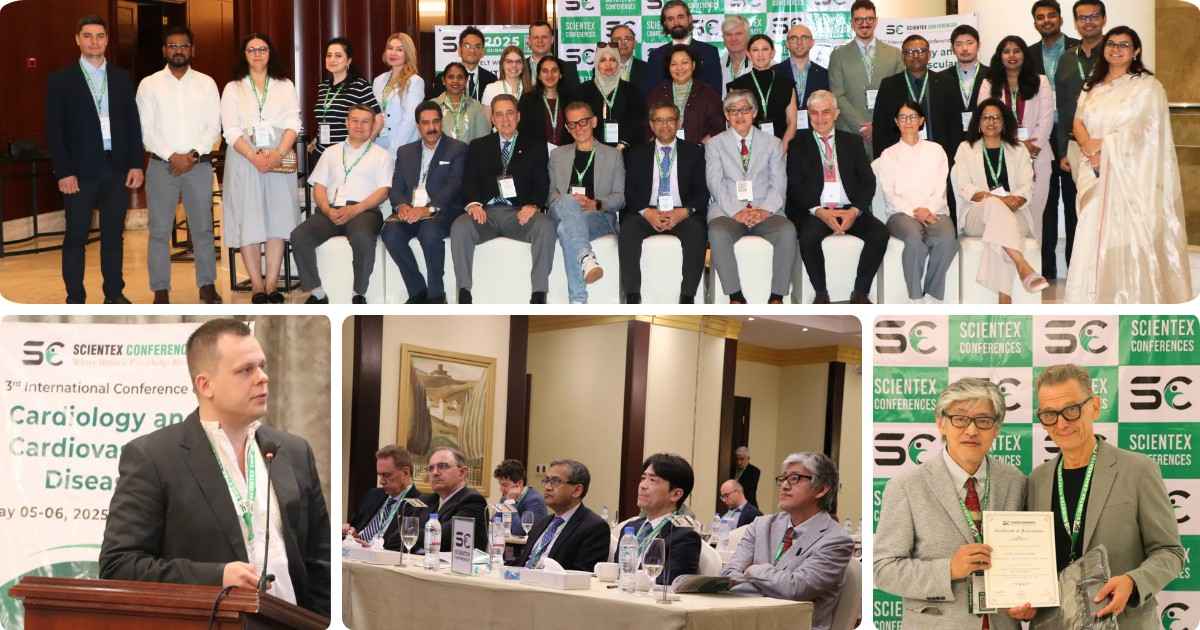
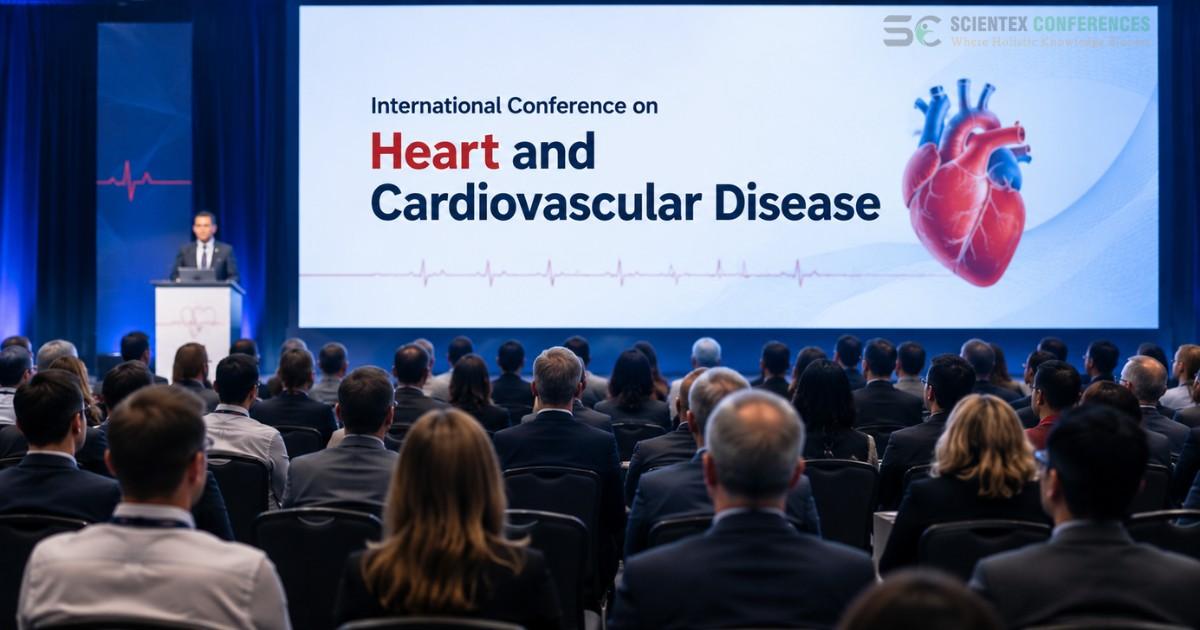
Not just because the 3rd International Conference on Heart and Cardiovascular Diseases returned to Dubai - the same city that hosted the very first Heart Congress in 2023. But because the programme itself had matured. The conversations were sharper. The research more varied. The speaker list more international. And the sessions structured across five distinct clinical themes showed what a cardiology congress looks like when it stops trying to be everything at once and instead commits to depth.
May 05-06, 2025. Dubai, UAE. Here is what happened.
The Shape of the Programme
Rather than running sessions as a chronological list of presentations, Heart Congress 2025 was structured around themed clinical tracks. Each half-day carried a specific scientific focus, chaired by a named session lead giving the programme a coherence that attendees at large, sprawling cardiology meetings rarely experience.
The tracks covered:
- Cardiovascular Diseases, Clinical Cardiology and Case Reports, Cardiac Emergency Care, Heart Failure - chaired by Tatsuya Nakao (New Tokyo Hospital, Japan)
- Echocardiography, Advances in Cardiovascular Imaging, Cardiovascular Impact on COVID-19 - chaired by Gustavo Samaja (Policlinica Bancaria, Buenos Aires, Argentina)
- Vascular Surgery, Regenerative and Translational Cardiology, Vascular Diseases, Endovascular Interventions - co-chaired by Toshifumi Kudo (Institute of Science Tokyo, Japan) and Ruhul Abid (The Warren Alpert Medical School of Brown University, USA)
- Cardiovascular Pharmacology, Cardiomyopathy, Genetic Cardiac Disorders, Critical Care, Electrophysiology -chaired by Claudio L Pereira da Cunha (Federal University of Parana, Brazil)
- Heart Failure, Hypertension, Vascular Disease, Atrial Fibrillation, Atherosclerosis - chaired by Seyed Mohammad Kasaei (HealthHub, Al Futtaim Health, UAE)
- Current Research in Cardiology, Interventional Cardiology, Echocardiography, Aneurysm, Heart Failure - chaired by Ruhul Abid (Brown University, USA)
The result was a programme where a vascular surgeon, an electrophysiologist, and a heart failure specialist could all attend sessions squarely relevant to their practice - without sitting through irrelevant content just to get to the one session that mattered.
The Keynotes: Three Directions the Field Is Moving
Long-Term Outcomes in Aortic Arch Surgery
Tatsuya Nakao (New Tokyo Hospital, Japan) returned to Heart Congress for the third consecutive year - this time with up to 9.5 years of follow-up data from a single-centre retrospective cohort on Zone 1 arch repair using the Frozen Elephant Trunk technique with Frozenix. Long-term durability data in complex aortic surgery is genuinely scarce, and Nakao's contribution gave the congress one of its most clinically substantive opening sessions.
His return was noted by delegates. As he put it himself after the conference:
"I made good friends. Cardiovascular surgeons, cardiologists, many kinds of people came together and we had enough time to present. I'm very happy to come here. Next year, I'll come again — be sure about that."
— Tatsuya Nakao, New Tokyo Hospital, Japan
Balloon Aortic Valvuloplasty in the TAVI Era
Gustavo Samaja (Policlinica Bancaria and Sanatorio Colegiales, Buenos Aires, Argentina) addressed a question that many assumed was already settled: does balloon aortic valvuloplasty still have a place when TAVI is increasingly available? His keynote argued that it does as a bridge strategy, as a palliative option, and in specific anatomical scenarios where TAVI remains impractical. It was a well-timed counterpoint to the sometimes uncritical enthusiasm around transcatheter valve programmes.
Cardiac MRI in Acute Myocardial Infarction
Seyed Mohammad Kasaei (HealthHub, Al Futtaim Health, UAE) examined the role of cardiac MRI in patients presenting with acute MI covering tissue characterisation, infarct sizing, microvascular obstruction, and the clinical scenarios where MRI adds meaningful diagnostic information beyond standard echocardiography.
Myocardial Function and Perfusion in Ischaemic Heart Disease
Ruhul Abid (The Warren Alpert Medical School of Brown University, USA) opened the second day with a keynote on recent developments in improving myocardial function and perfusion in ischaemic heart disease covering emerging regenerative and translational approaches that sit at the intersection of laboratory science and clinical cardiology. Abid's session bridged basic and applied research in a way that few speakers can manage convincingly.
After the congress, he reflected:
"I really enjoyed my time here. The organisation was very well done. I met several great scientists from different countries and there is real possibility of collaboration starting. I can tell you for myself.I met new friends and will continue the exchange programs. It's a really great experience."
— Ruhul Abid, The Warren Alpert Medical School of Brown University, USA
Physical Activity and Hypertension in Occupational Settings
Claudio L Pereira da Cunha (Federal University of Parana, Brazil) presented on the influence of physical activity on arterial hypertension in workers, a population-level perspective that brought public and occupational health into an otherwise clinically focused programme. The session was a useful reminder that cardiovascular risk is shaped well before patients arrive in cardiology clinics.
Clinical Science Across Five Themes
Surgery That Pushed Boundaries
The vascular and cardiac surgery sessions were among the most technically detailed of the congress. Highlights included:
- Massimo Griselli (King Abdullah bin Abdulaziz Hospital, KSA) delivered two workshop sessions — on Fontan failure and heart transplantation, and on heart transplantation following prolonged ECMO support. The workshop format allowed more dialogue than a standard lecture slot, and these sessions generated active discussion.
- Anatolii Ivaniuk (Kyiv Municipal Clinical Hospital Cardiovascular Center, Ukraine) presented a case of successful surgical treatment of left ventricular free wall rupture due to post-infarction aneurysm a high-stakes scenario with significant technical demands.
- Midinov Amirbek Shamshidinovich (VEDANTA Medical Centre, Kyrgyzstan) described the successful elimination of a true left ventricular aneurysm with thrombectomy and revascularisation in a patient with an ejection fraction of 16% the kind of case that challenges standard risk calculations.
- Japanese vascular surgery was particularly well represented, with sessions on carotid artery stenting outcomes (Diego Moniaci, Italy), distal bypass for critical limb ischaemia (Taku Kokubo, Sapporo, Japan), popliteal artery occlusion (Takuya Hanazuka, Shuuwa General Hospital, Japan), aortoiliac endovascular repair (Toshifumi Kudo, Tokyo), and subclavian artery aneurysm resection (Takuto Hayashi, Teikyo University, Japan).
Toshifumi Kudo captured the spirit of this exchange simply:
"In this conference, I had a very valuable experience. I'm looking forward to seeing you all again next year."
— Toshifumi Kudo, Institute of Science Tokyo, Japan
Imaging, Echocardiography, and Diagnostic Innovation
The imaging track produced several sessions worth noting:
- Samar Fuzail Patankar (St George's University, Grenada) presented EchoCLIP -a multimodal AI model applied to echocardiography. The session positioned AI not as a future aspiration but as a present-tense diagnostic tool, and raised important questions about how such models are validated and integrated into reporting workflows.
- Fabrizio De Rosa (Hospital of Fidenza, Italy) presented the use of contrast echocardiography in detecting a giant right coronary artery aneurysm - demonstrating how an established technique, applied carefully, can clarify complex anatomy.
- Toru Ouchi (New Tokyo Hospital, Japan) examined long-term outcomes of left atrial appendage closure or amputation, specifically whether anticoagulation should be continued after surgical LAA intervention - a question without universal consensus.
Pharmacology, Heart Failure, and the SGLT2 Conversation
SGLT2 inhibitors featured prominently - but from a more critical angle than the standard evidence review.
- Serge Lepage (University of Sherbrooke, Canada) addressed SGLT2 inhibitor intolerance in heart failure patients and the predictive factors associated with it. As these agents become default therapy, understanding who cannot tolerate them - and why - is increasingly important clinical knowledge.
- Deepak Verma (Jeevandeep Heart Care Centre, India) examined prognostic utility of BNP and the six-minute walk test in acute decompensated heart failure. Andre Bernardi (FAPI University Center, Brazil) presented real-world data from the Brazilian public health system on LDL-cholesterol goal achievement after acute MI a sobering look at the gap between guideline targets and what actually happens at a population level.
Hypertension, Atherosclerosis, and Preventive Cardiology
Several sessions reinforced the prevention agenda:
Ildar Fakhradiyev's 2024 work on hypercholesterolaemia in Kazakhstan was extended by new sessions on lipid-lowering therapy in ACS patients over a 14-year follow-up (Nikitina Aglaya Olegovna, Petrozavodsk State University, Russia)
Ifunanya Sheila Osigwe (Bronglais General Hospital, UK) presented a systematic review and meta-analysis on the association between psoriasis and atherosclerotic cardiovascular disease — a link increasingly recognised in rheumatology and cardiology clinical crossover
Shadab Rauf (Rauf Multispeciality Hospital, India) correlated immature platelet fraction and mean platelet volume with coronary artery disease extent in NSTEMI patients
Emergency Care, Resuscitation, and Global Access
Some of the most impactful sessions at Heart Congress 2025 were not about cutting-edge technology but about access to basic life-saving care.
Nilmini Wijesuriya (Sri Lanka Resuscitation Council) presented Restart a Heart Sri Lanka - a national community CPR awareness initiative. The session was a reminder that outcomes in cardiac arrest are determined more often by bystander response than by what happens in the cath lab.
Jyoti Borse (Smt. Kashibai Navale Medical College, India) compared rapid sequence intubation versus delayed sequence intubation in emergency department settings - a practical question with direct implications for outcome in acute presentations.
The 3rd International Webinar on Heart and Cardiovascular Diseases
Running parallel to the Dubai conference, the 3rd International Webinar on Heart and Cardiovascular Diseases took place on May 5–6, 2025, in the GMT+4 timezone bringing together cardiologists, researchers, medical professionals, and business delegates from across the globe in a fully virtual format.
The webinar programme included oral presentations, poster and video sessions, and live Q&A exchanges. Its structure mirrored the rigour of the in-person congress while opening access to participants who could not travel to Dubai.
Voices from Dubai
Perhaps the most consistent theme running through what speakers said after the congress was the quality of the conversations - not just the sessions, but what happened between them.
"It's a very friendly meeting. You have a big learning opportunity with time for sharing your experience and discussion. I strongly recommend attending this kind of event instead of the big congresses where we don't have time for anything — not even to ask a question."
— Gustavo Samaja, Policlinica Bancaria, Buenos Aires, Argentina
"I'm so happy to join this meeting and was so excited hearing from specialists in this field. Thank you so much."
— Takuya Hanazuka, Shuuwa General Hospital, Japan
These were not isolated comments. Speaker after speaker pointed to the same things: the time given to each presentation, the ability to have real conversations with colleagues from different countries, and the genuine friendships that formed across institutional and national boundaries.
The Picture After Three Years
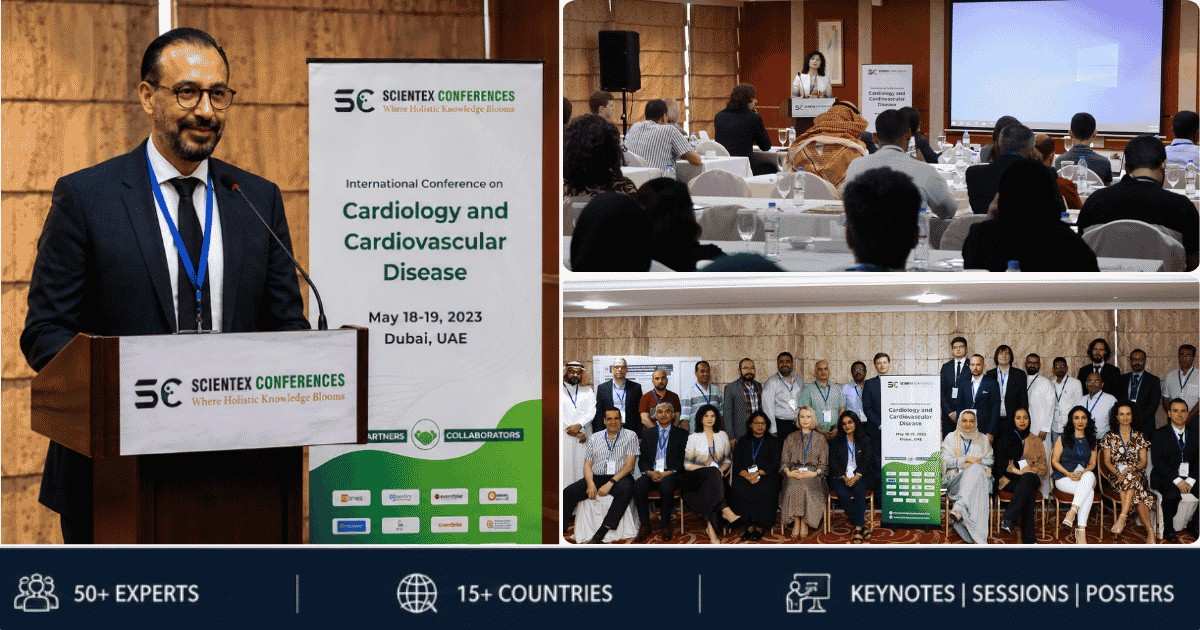
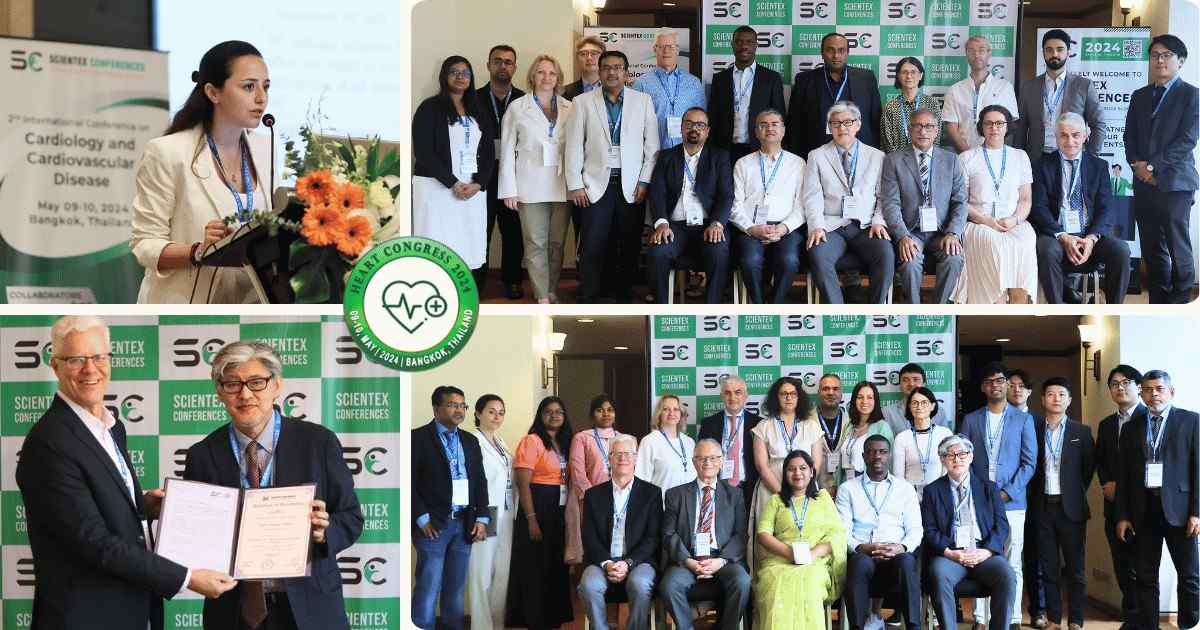
Stepping back from the specifics of the scientific programme, Heart Congress 2025 completed a three-year arc that began modestly in Dubai in 2023, expanded to Bangkok in 2024, and returned to Dubai in 2025 with a measurably richer programme.
What the series has demonstrated across those three editions:
- Consistency of format — the hybrid model, the themed session structure, and the mix of keynotes, speaker slots, workshops, posters, and video presentations have remained stable while the scientific content has deepened
- Growing international participation — each edition has drawn speakers from more countries and more diverse research traditions than the one before
- A companion webinar series that runs in parallel with the in-person congress, extending reach to researchers who cannot travel
- A community that returns — multiple speakers presented at two or three editions of the congress, which is a meaningful signal in a competitive conference landscape
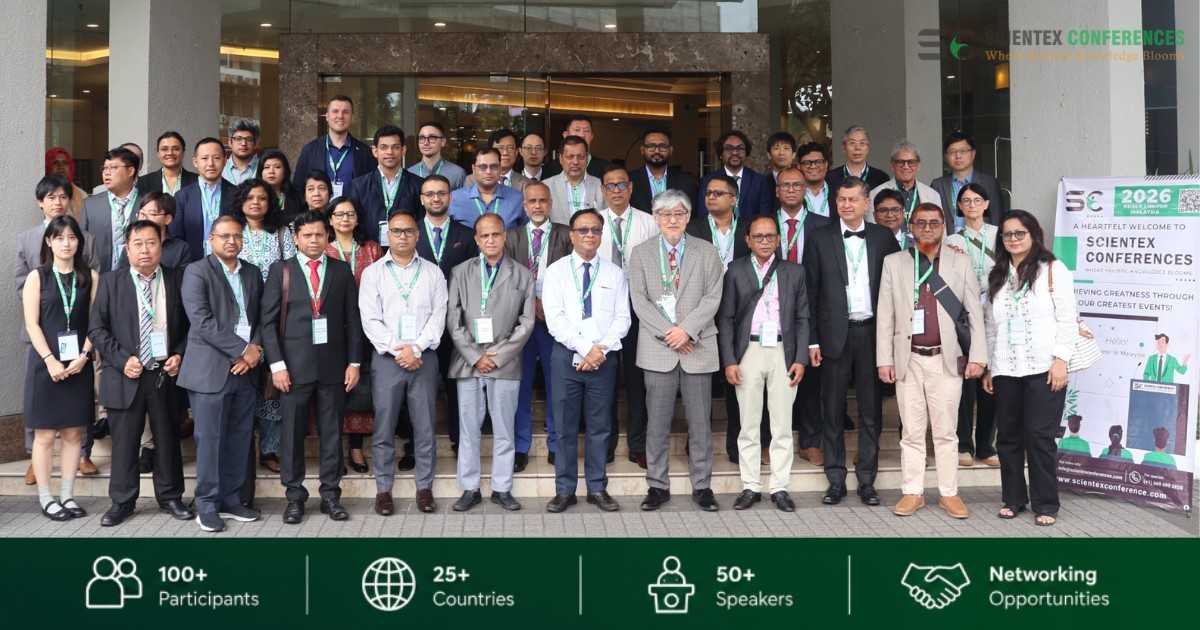
The 4th International Conference on Heart and Cardiovascular Diseases is scheduled for 2026 in Malaysia. Full details, proceedings from past editions, and registration information are available at heartcongress.scientexconference.com.
2025 Conference Access here: Gallery | Proceedings | Testimonials | Attendees
You Might Also Like
More Blogs


Archives

Quick Links
Explore More
Past Conferences
Past Webinars
General Enquiry
Finance Enquiry
Contact Number
- USA (+1) 272 374 1068