

Keynote Speakers


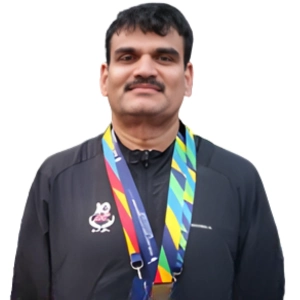
Speakers
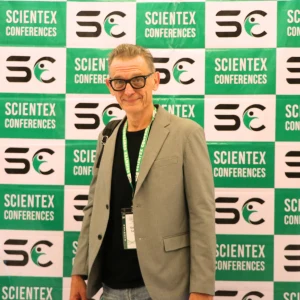

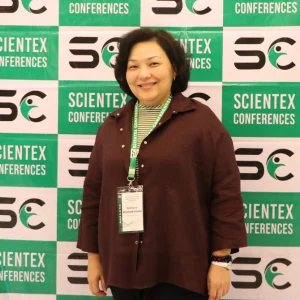

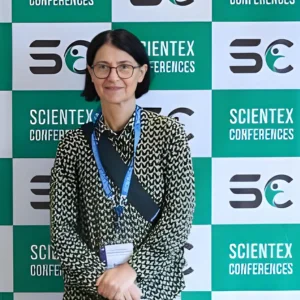
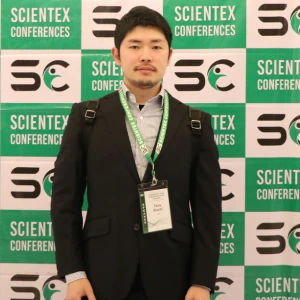

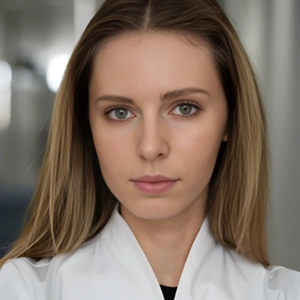

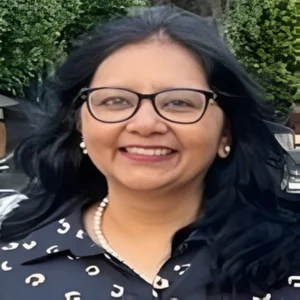

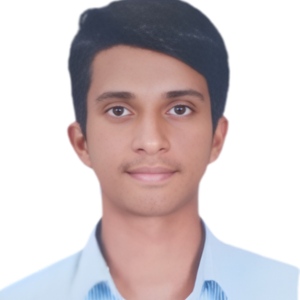
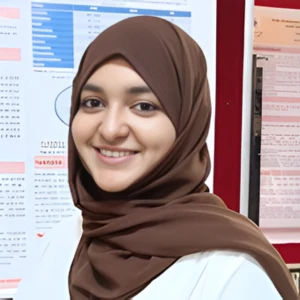
Guo-Wei He
The Institute of Cardiovascular Diseases; TEDA International Cardiovascular Hospital; Tianjin University, China
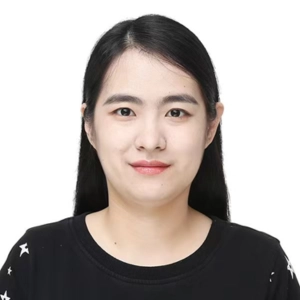
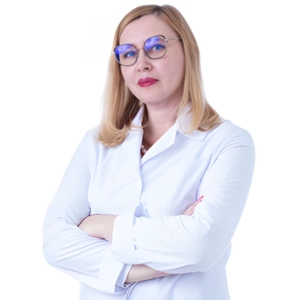
Olga Goryacheva
Perm State Medical University named after Academician E.A. Wagner, Russian Federation
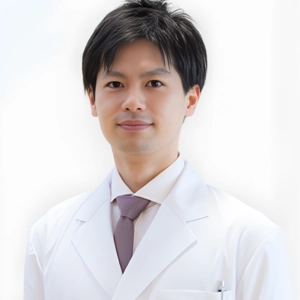

Elena V Shchemeleva; Elena A Skorodumova
I.I Dzhanelidze Saint Petersburg Scientific Research Institute, Russian Federation
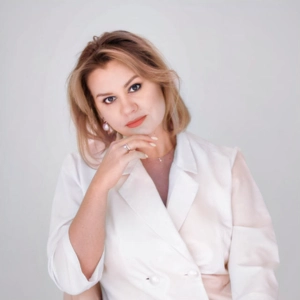
Erminia De Cristofaro
Sant'Anna Hospital Castelnovo ne' monti; Azienda USL-IRCCS di Reggio Emilia, Italy

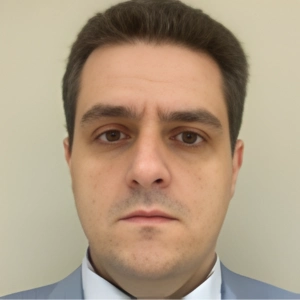
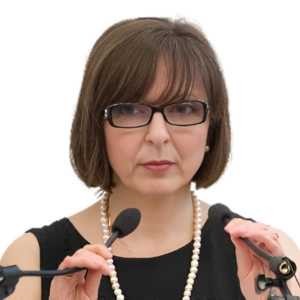
Marine Gambaryan
National Medical Research Centre for Therapy and Preventive Medicine, Russian Federation
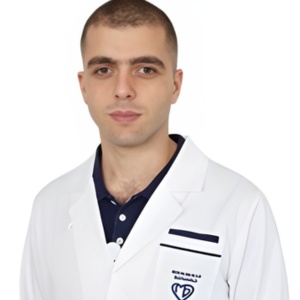
Hayk Galustyan
Moscow City Hospital named after S.S. Yudin; RUDN University, Russian Federation
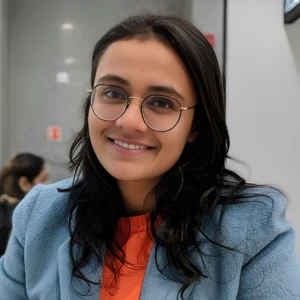
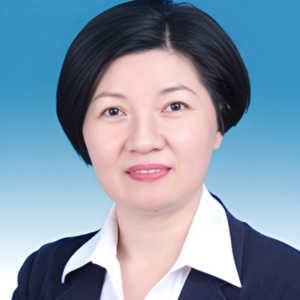
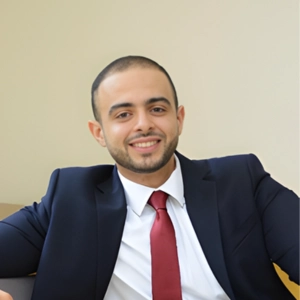
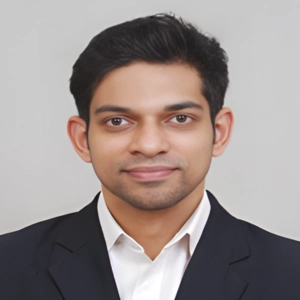
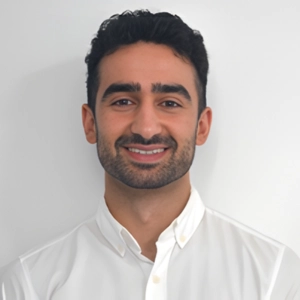
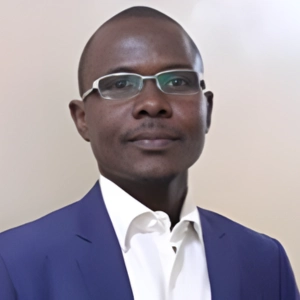
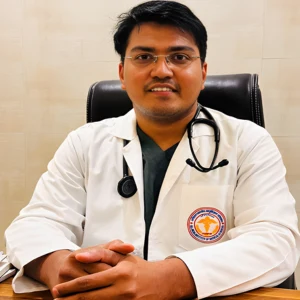
Farhana Yasmin
Bogura under Ministry of Health of family Welfare of Bangladesh, Bangladesh
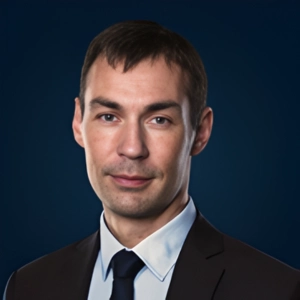
Alexander Ivanov
Medical Institute of Continuing Education of the Russian Biotechnological University (ROSBIOTECH), Russian Federation
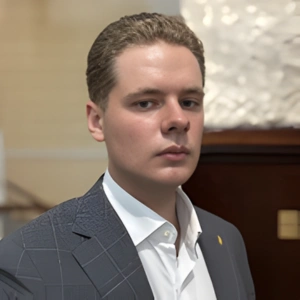
Igor Telyatnikov
Medical Institute of Continuing Education of the Russian Biotechnological University (ROSBIOTECH), Russian Federation
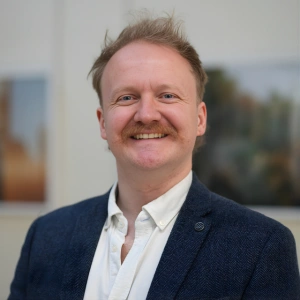
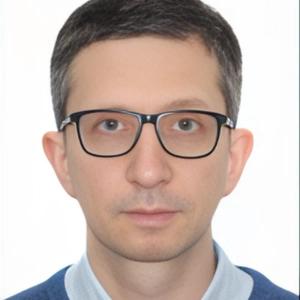
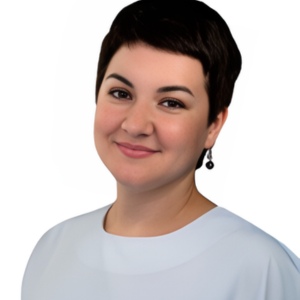
Ekaterina A Naryshkina
Moscow Multidisciplinary Research and Clinical Centre named after S.P. Botkin; Russian Medical Academy of Continuous Professional Education, Russian Federation
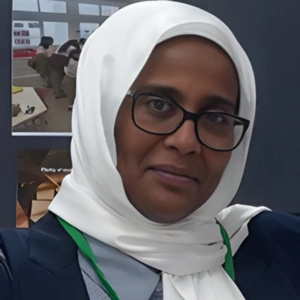
Anna Airapetian
FSBI National Medical Research Centre of Cardiology named after academician E.I. Chazov of the Ministry of Health of the Russian Federation, Russian Federation
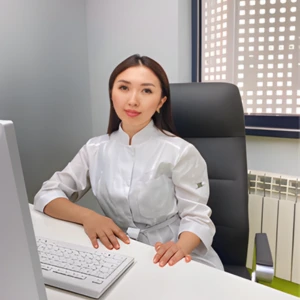
Moldir Aitkulova
Health City Clinic Almaty; Al Farabi Kazakh National University, Kazakhstan
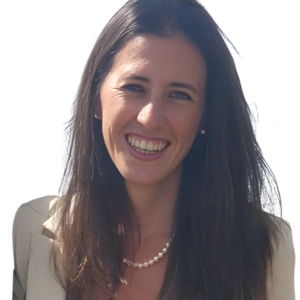
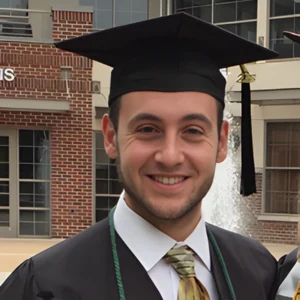
Evgeny Izmailov
Samara Medical University, Ministry of Health of the Russian Federation, Russian Federation
Dede Moeswir
Doctoral Program in Medical Sciences, Faculty of Medicine, Universitas Indonesia , Indonesia

Organization Location
1309 Coffeen Avenue, STE 1200, Sheridan, Wyoming 82801, USA
Mail us at
Program Enquiry - Kristina Pierce
kristinapierce@scientexconferences.com
General Enquiry
contact@scientexconferences.com
Registration Enquiry
finance@scientexconferences.com
cardiacsurgery@scientexevents.org
Our Social Presence
Call us at
USA : (+1) 272 374 1068